This section describes how deposits have been used to recycle aluminium cans. Or why not start by watching the video?
The video sums up the background to our deposit system in just a few minutes.
You’ll learn how the aluminium can went from being an environmental villain to a symbol of recycling.
To understand the background to our deposit system, we need to go back a few decades.
Here’s a quick history lesson.
In Sweden, 1955 heralded the start of Systembolaget, a state-controlled, nationwide system of stores for alcohol sales. This made it possible for people to purchase alcohol without rationing, and beer became easier to buy. Up to that point, strong beer had only been available on prescription at pharmacies.
In those days, beer was sold in glass bottles. A deposit system was already in place so that bottles would be returned, and this was managed by the breweries. Beverage and wine bottles were returned to convenience stores or Systembolaget stores to be reused, and consumers received their deposits back. The bottles were then washed at the brewery and reused.
In Sweden, the sale of strong alcoholic drinks in convenience stores is prohibited. Spirits, wine or beer with an alcohol content of more than 3.5 per cent by volume may only be sold by the state-owned Systembolaget.
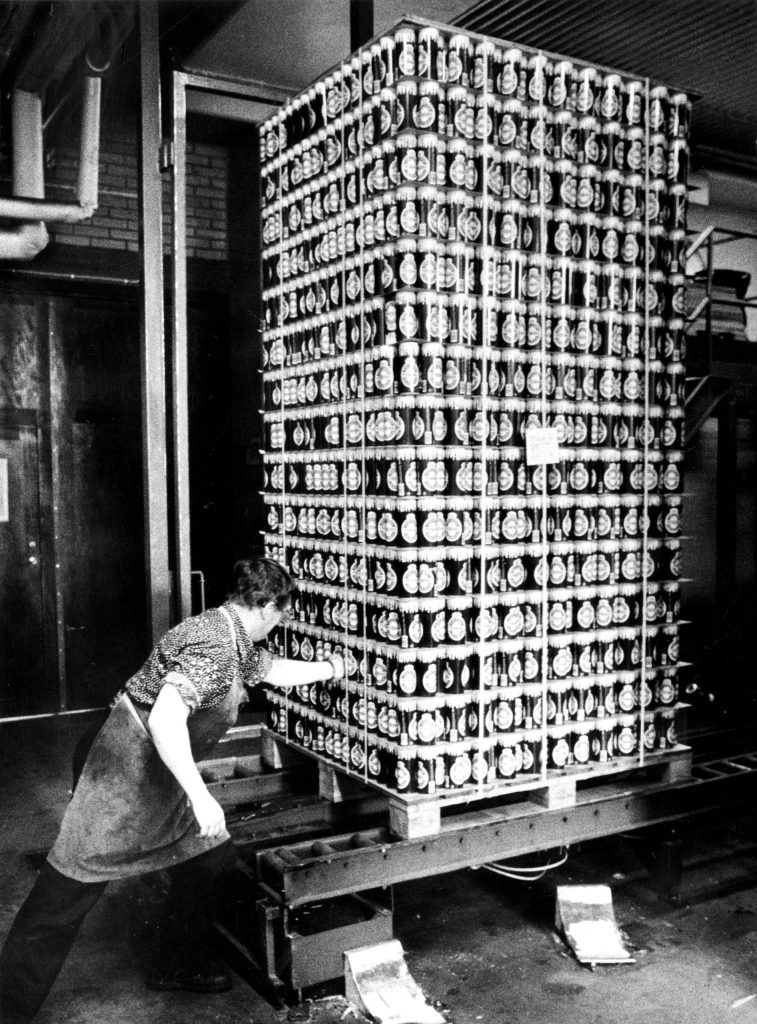
Drinks cans arrived in Sweden in the 1960s and quickly became popular as they were easier to carry than glass bottles. In those days, beer cans were made of steel. They consisted of three parts: a base, a lid and a cylindrical body with a soldered seam – not unlike the ordinary tin cans that are still used for preserved food products.
Customers liked the fact that these new single-use cans didn’t need to be returned – environmental awareness was still limited back then.
As demand for strong beer grew, more breweries began selling their beer in cans. In Sweden, the cans were manufactured by a company called PLM, which was based in Malmö.
“They had to decide – should they go on making steel cans, or switch to aluminium?”
A new type of can arrived in Sweden in the late 1970s. It consisted of only two parts and had already proved popular in the USA. It was made by pressing a sheet of metal into the shape of a cup. The cup was then fed into a machine that formed the sides into a longer, cylindrical shape. When it was then filled, the lid was put on.
There were major advantages to this new manufacturing process: the can took up less space and used less material. The same principle is still used today.
Although the new technology was cheaper, modern machinery was needed. PLM in Malmö built a brand new can production factory and aimed to become the world’s most modern can factory. But they had to decide – should they go on making steel cans, or switch to aluminium?
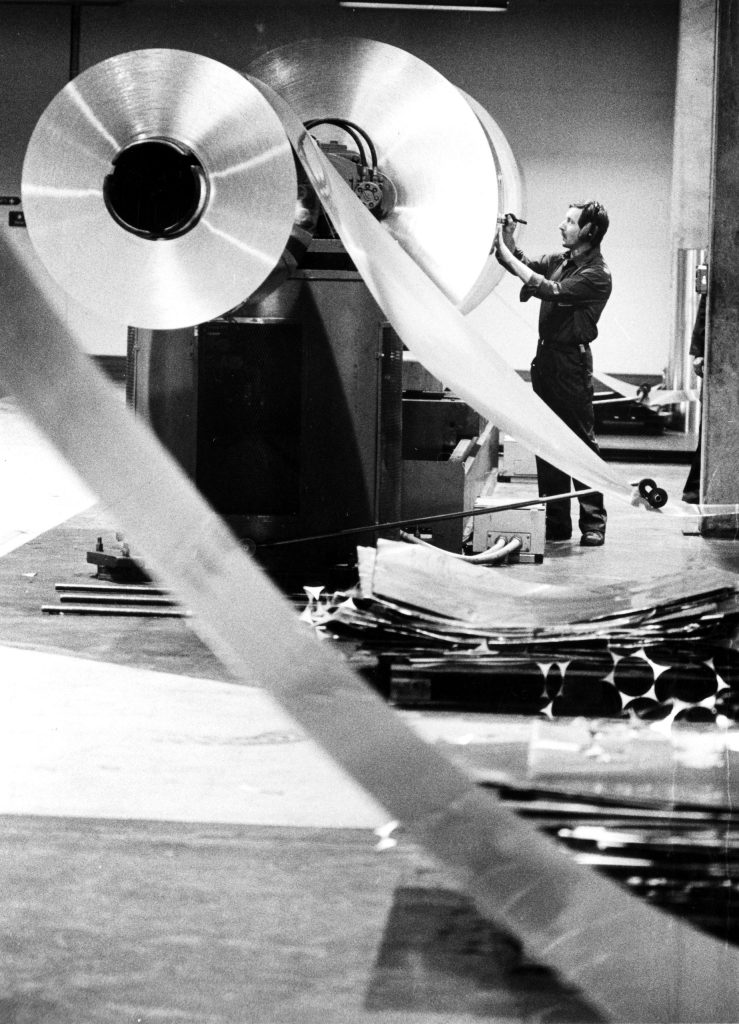
Even while the new factory was being built, a debate began to emerge in the media. This coincided with the referendum on nuclear power, making energy a highly topical issue. Sweden’s environmental movement gained momentum around the same time, and aluminium cans were portrayed as a major environmental hazard.
It wasn’t the actual production of the can itself that was the problem – it was the production of aluminium that required a lot of energy. Recycling aluminium and making new cans actually required very little energy, but this was often overlooked by some commentators and journalists.
Littering was much more common in Sweden a few decades ago. People tended to assume that nature would just deal with their rubbish, and waste was often simply discarded anywhere. Interest in environmental issues didn’t really take off until the 1960s – a time when the acidification of our waterways became a major concern.
By the 1970s, it was time for Swedes to start to take the matter of littering seriously. At around the same time, the Swedish Brewers’ Association (Svenska Bryggerier) wanted to start using aluminium cans for beer. This triggered strong reactions from environmental organisations, which saw aluminium as the worst possible material. No similar debate had taken place around the steel cans that had previously been used. Aluminium production involves bauxite, which requires enormous amounts of energy to melt.
Once aluminium cans became a topic of discussion in the media, the debate intensified. Many consumers were concerned and called for a blanket ban on single-use packaging.
Two key arguments were raised against the use of aluminium cans:
The Swedish Brewers’ Association saw many advantages of aluminium:
It certainly required a lot of energy, but recycling existing metal and turning it into new cans required only about 5 per cent of that energy, compared with producing new aluminium. From an environmental perspective, this meant there was no real difference between returnable cans and returnable glass bottles – as long as the cans were actually recycled and reintroduced into the system.
It became essential to decide how aluminium cans should be handled and how recycling could be ensured. Can manufacturer PLM conducted a number of studies.
Although many were sceptical about introducing a voluntary deposit system, fast action was needed. Otherwise, aluminium cans risked being banned or heavily taxed.
The Minister of Agriculture convened a meeting to discuss the future of aluminium cans, which was attended by PLM representatives as well as a leading professor of natural resources. A decision was made to conduct a trial. Cans would be accepted for return, with some form of compensation for anyone who returned them. The plan was for PLM to coordinate involvement with the breweries. But first, the Minister of Agriculture was to present a proposal requiring cans to be taken back.
The government examined different approaches to recycling while the new can factory was being built. Three possible options were identified:
Many industry experts knew that a deposit system would be unpopular with retailers – it would involve handling returned cans, for one thing. So PLM also trialled other approaches, such as voluntary collection. However, these trials failed to achieve the 75 per cent recycling rate demanded by the government. In the end, retailers agreed to develop a deposit system together with PLM and the breweries.
The decision to introduce a deposit system was made by the Swedish Parliament on 18 February 1982.
The government placed responsibility on industry: retailers, breweries and PLM would jointly operate the deposit system and achieve a 75 per cent recycling rate within three years. They were also required to provide information to encourage consumers to return their cans.
Act on the Recycling of Aluminium Beverage Containers (1982:349):
A deposit system shall be established for aluminium beverage containers (aluminium cans), ensuring a recycling rate of at least 75 per cent, in accordance with a commitment made by the breweries, retailers and PLM. The system, to be operated by a specially formed company, shall be introduced in 1983 and achieve full efficiency by 1985.
Returpack was tasked with developing an information plan, which was to be drawn up and approved annually by the Swedish Environmental Protection Agency (Naturvårdsverket).
The government, through the Swedish Environmental Protection Agency, defined recycling targets. Initially, the Swedish Board of Agriculture was the supervisory authority responsible for Returpack.
The loan was not utilised in full and was repaid within a few years.
Returpack was tasked with developing an information plan, which was to be drawn up and approved annually by the Swedish Environmental Protection Agency.
The government, through the Swedish Environmental Protection Agency, defined recycling targets. The Swedish Board of Agriculture is the supervisory authority responsible for Returpack.
The loan was not utilised in full and was repaid within a few years.
Sveriges Livsmedelshandlareförbundet (SSLF) was an interest organisation representing independent retailers such as ICA, Favör and Vivo. KF and ICA also had their own organisations.
Although the retailers held a smaller ownership share, they all had equal representation on the Returpack board. Each party appointed two board members, along with a chairperson and deputy members.
From the outset, the target was to recycle 75 per cent of aluminium cans by 1985 at the latest.
In 1987, the required recycling rate was raised to 90 per cent, to be achieved by 1993 at the latest. This target has remained unchanged ever since.
From the outset, the target was to recycle 75 per cent of aluminium cans by 1985 at the latest.
In 1987, the required recycling rate was raised to 90 per cent, to be achieved by 1993 at the latest. This target has remained unchanged ever since.
This section provides an overview and lists some key milestones. You can also read about deposit systems in other countries, as well as some of the amusing mishaps along the way.
The arrival of aluminium cans in Sweden coincided with the emergence of our environmental movement. The government tasked Returpack with creating a deposit system to allow cans to be recycled. Read or watch the video to find out more.
Today, the deposit system is part of our everyday lives. Information is provided here on how all the various elements fit together – deposit machines, logistics, recycling and marketing.
There was a lot to think about when the deposit system was first introduced. All aspects of Returpack had to work properly, while deposit machines had to be developed and people’s awareness of the deposit system had to be raised.
How have the various elements of the deposit system developed over the years? This section covers topics such as aluminium, plastic and deposit machines.
Find out more about the move to Norrköping, the development of the factory and the need for new logistics, as well as other exciting developments