Click to start the video View a brief introduction to how the deposit system works today.
What happens to packaging after it’s returned? Why is Pantamera on TV? You’ll find the answers to all these questions – and more!

The deposit system helps to make our society more sustainable by increasing recycling and reducing littering. Recycling plastic and aluminium saves energy. The advantage of our deposit system is that recycled material remains within a closed loop and maintains a very high quality. This also reduces the need for new raw materials, resulting in further energy savings.
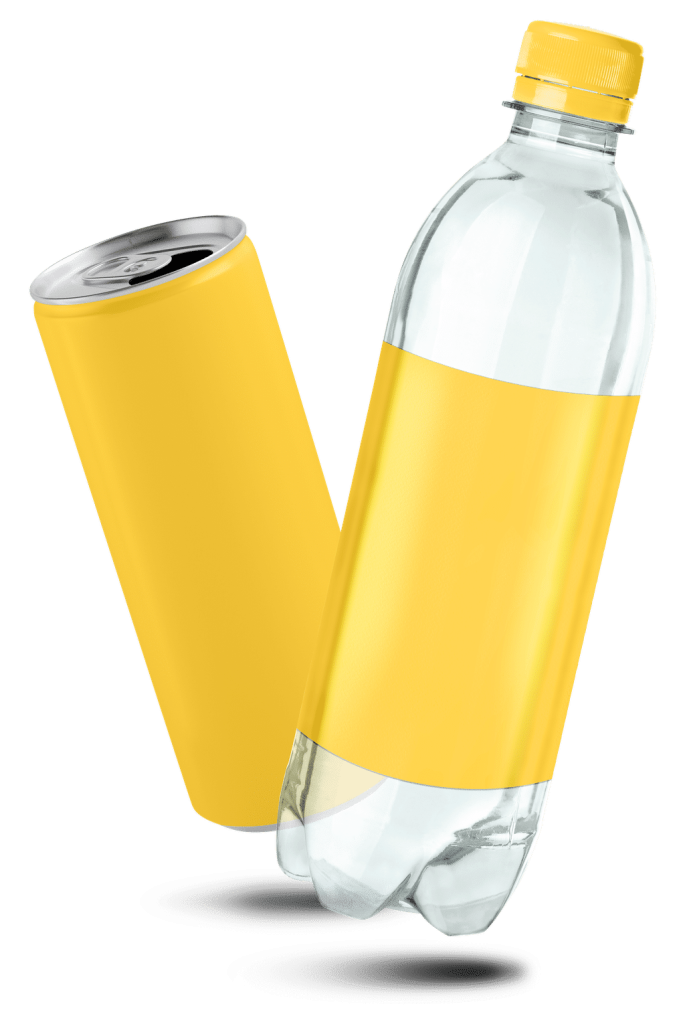
All bottles and cans with this type of label are part of the Swedish deposit system. This means they’ve been approved and can be returned via deposit machines. Then you can be sure the packaging will be recycled into new bottles and cans. They form part of a closed-loop system, which is the most environmentally beneficial solution.
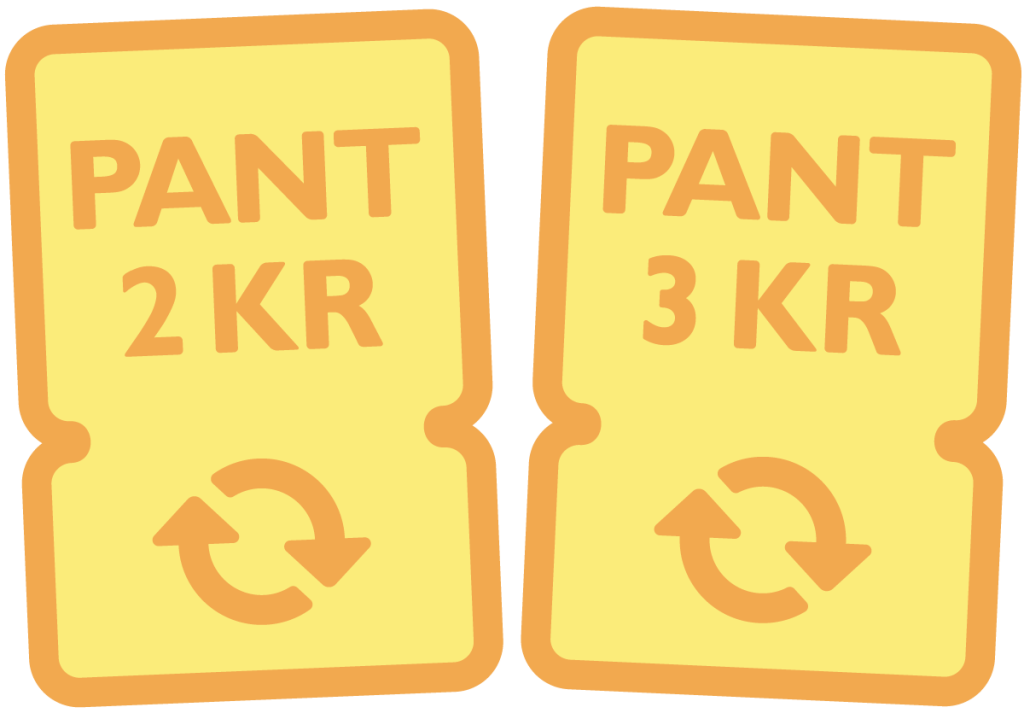
The value of the deposit is 2 kronor for cans and small PET bottles, and 3 kronor for larger bottles.
All aluminium drinks cans sold in Sweden have to be included in the deposit system. The same applies to beverages such as beer, soft drinks, fruit syrups and juices sold in PET bottles. Some PET wine bottles are also returnable. Other types of plastic packaging approved for use with food may also be part of the deposit system, although PET is by far the most common of these plastics.
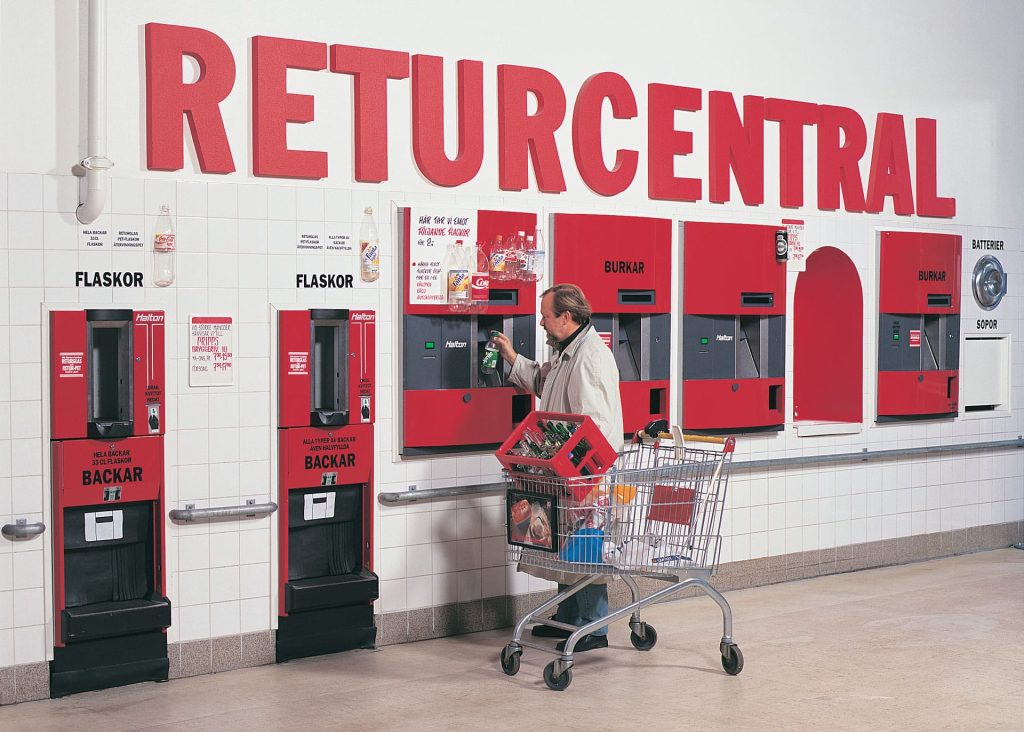
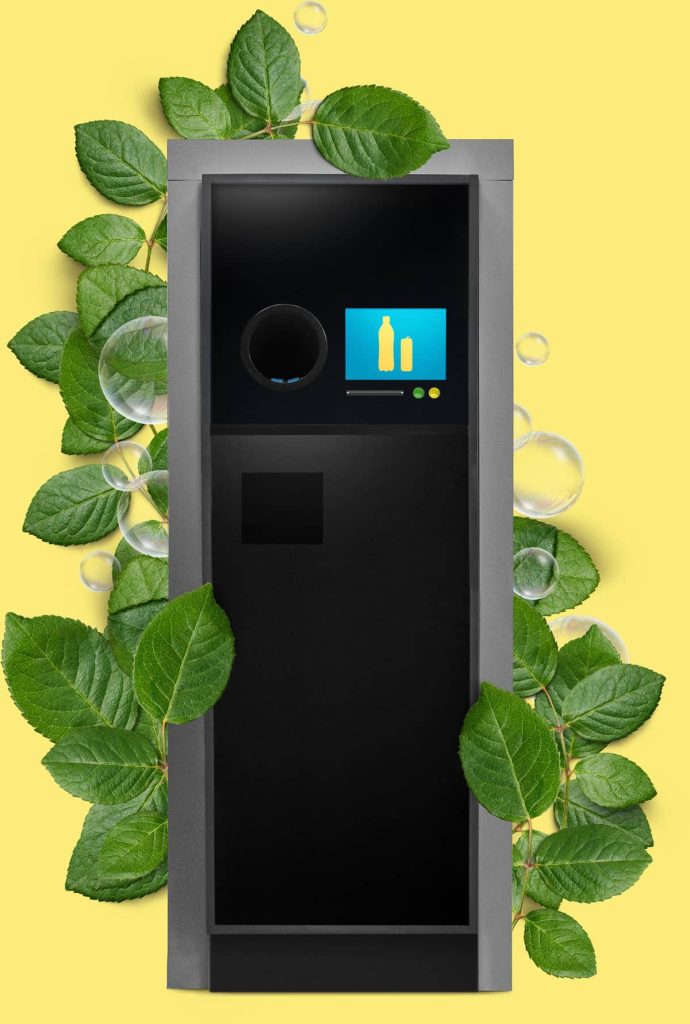
The most common way to return packaging is in-store. More than 3,100 stores all over Sweden have at least one deposit machine. About 92 per cent of all cans and PET bottles are returned in this way. The bottles and cans are placed in the machine and the deposit is then refunded, often in the form of a credit note to use in the store. The money can also be donated to charity.
We’re always working to make it even easier for people to return packaging and receive refunded deposits in the way that suits them best.
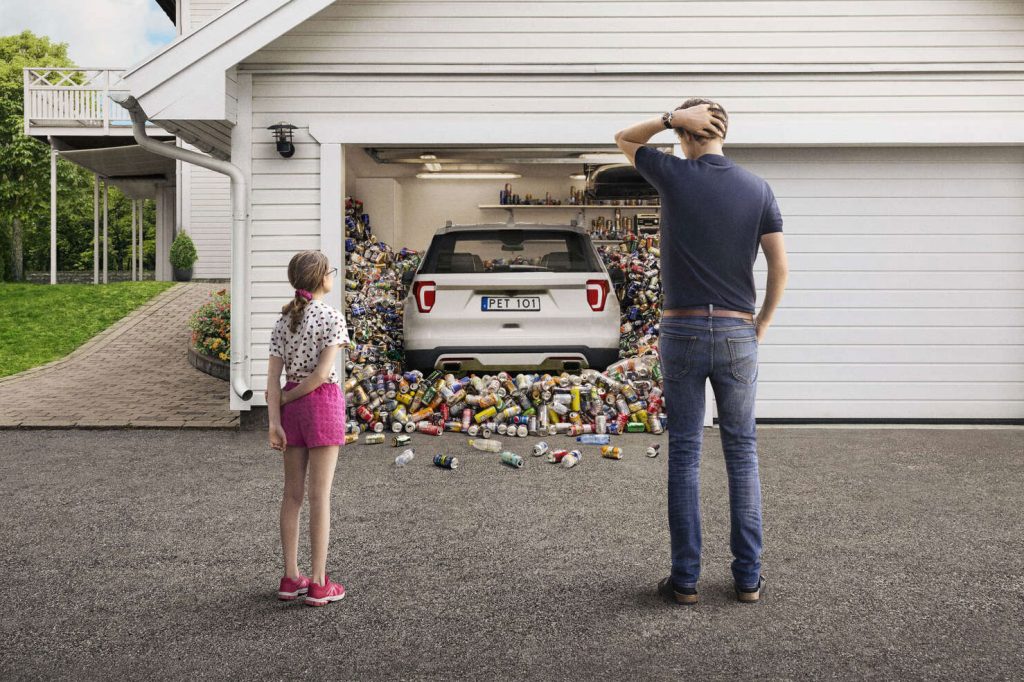
Many stores also provide high-capacity deposit machines which allow large quantities of packaging to be deposited all at once. These are usually located in a separate return area adjacent to the store, often in the car park.
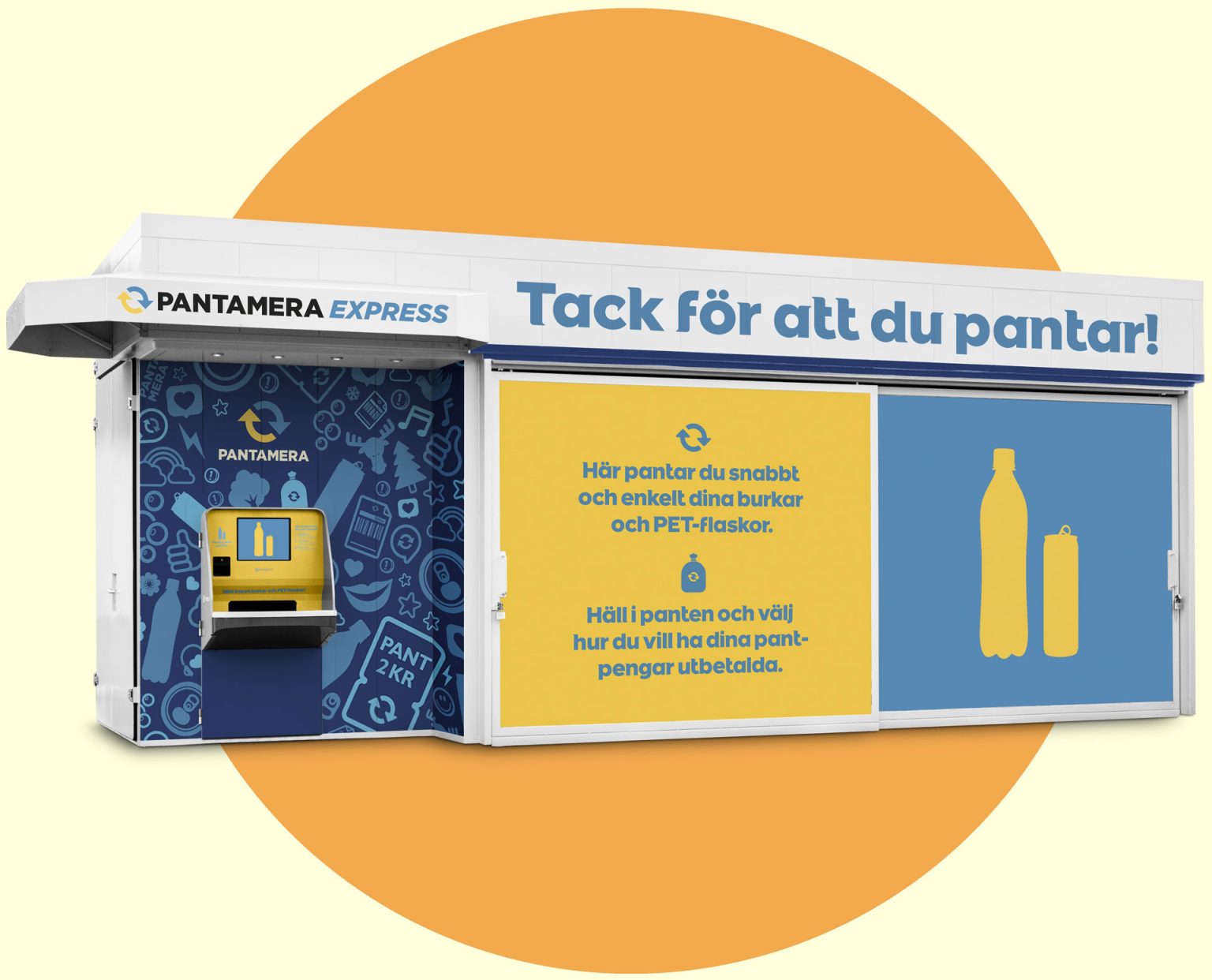
Many recycling centres have high-capacity Pantamera deposit return machines: Pantamera Express. This is ideal for anyone with lots of bottles and cans to return, and you can choose how to receive your returned deposits:
Sometimes it’s not convenient to carry empty containers with you – when you’re out and about, for example, or in places where there are no deposit machines. You can still make sure your packaging ends up in the right place. Sometimes you’ll find deposit return tubes in public places, often mounted on the side of litter bins. We place collection containers at campsites and ski resorts – and if you look around, you’ll often find a collection point nearby.
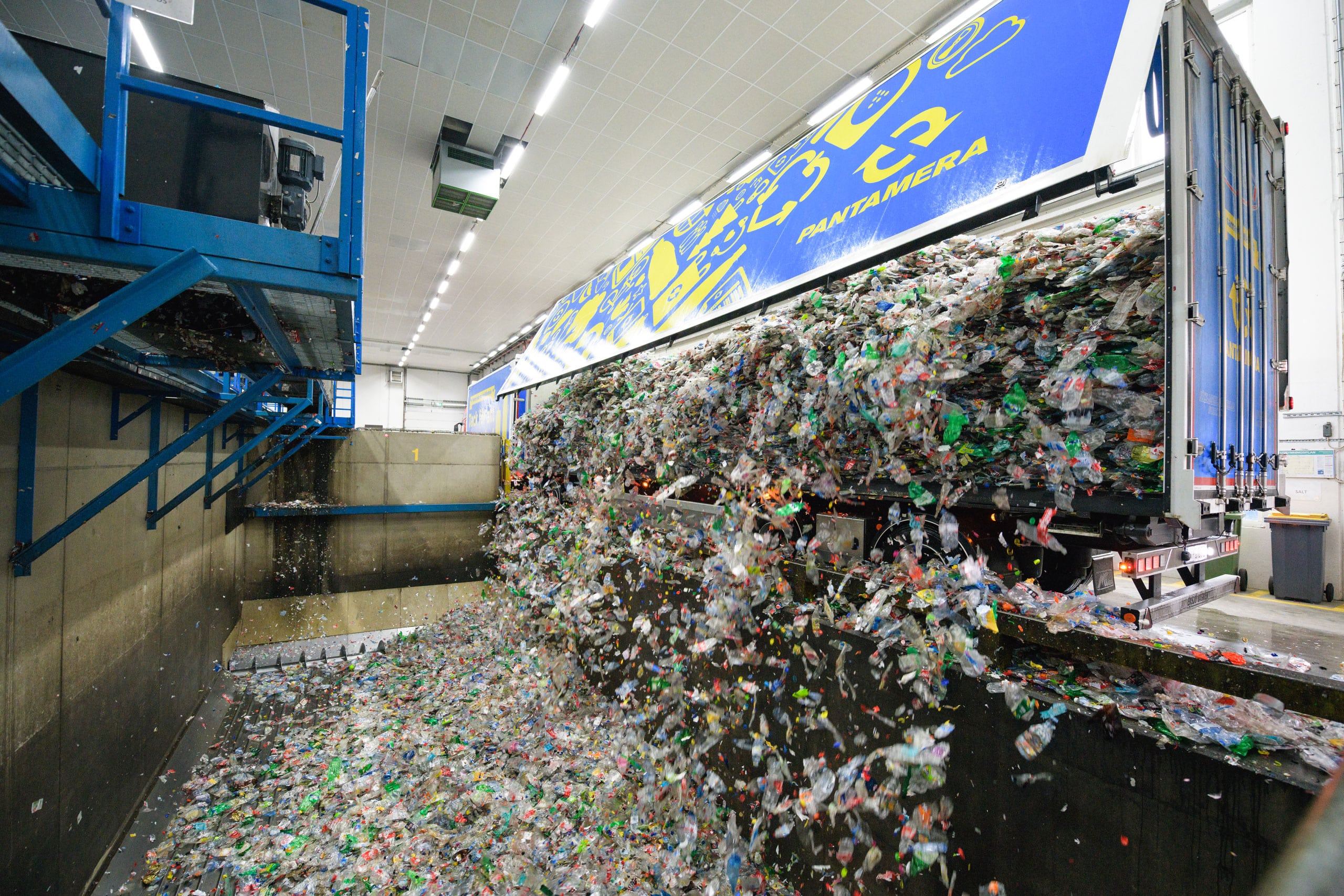
Did you know that all of the returned deposit packaging in Sweden is recycled at one and the same facility? Around 850 collections are made from stores and recycling centres every day. Everything is transported to an intermediate warehouse before being sent on to the factory in Norrköping.
Bottles and cans are compressed inside the deposit machine first so that they take up as little space as possible. These are then collected by compactor trucks (two-compartment trucks), transported to an intermediate warehouse, and then picked up by larger trucks and driven to the factory in Norrköping.
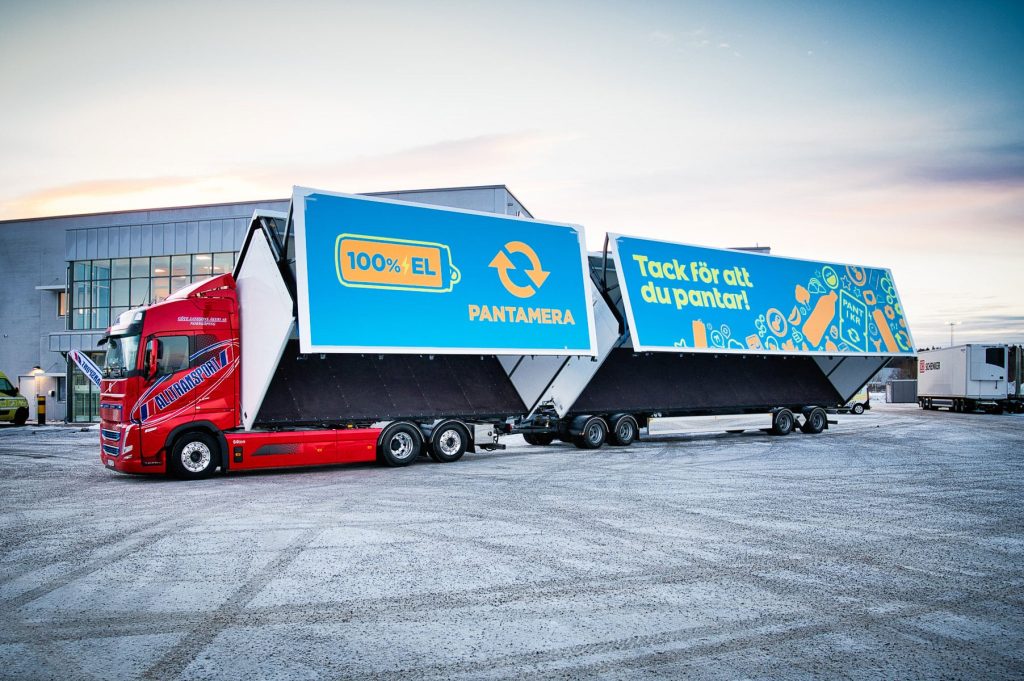
A lot of transport is required to keep the deposit system running smoothly. Returpack continuously optimises all stages to avoid unnecessary journeys. The company was an early adopter of fuels that are less harmful to the environment. Returpack was one of Sweden’s first companies to demand fossil-free alternatives from transport providers. That’s how we’ve made so much progress. Our goal was to make all our transport fossil-free by 2025 – and we achieved it in 2024! Our next goal is to make our transport climate-neutral by 2030.
Find out more about our transport and logistics efforts over the years.
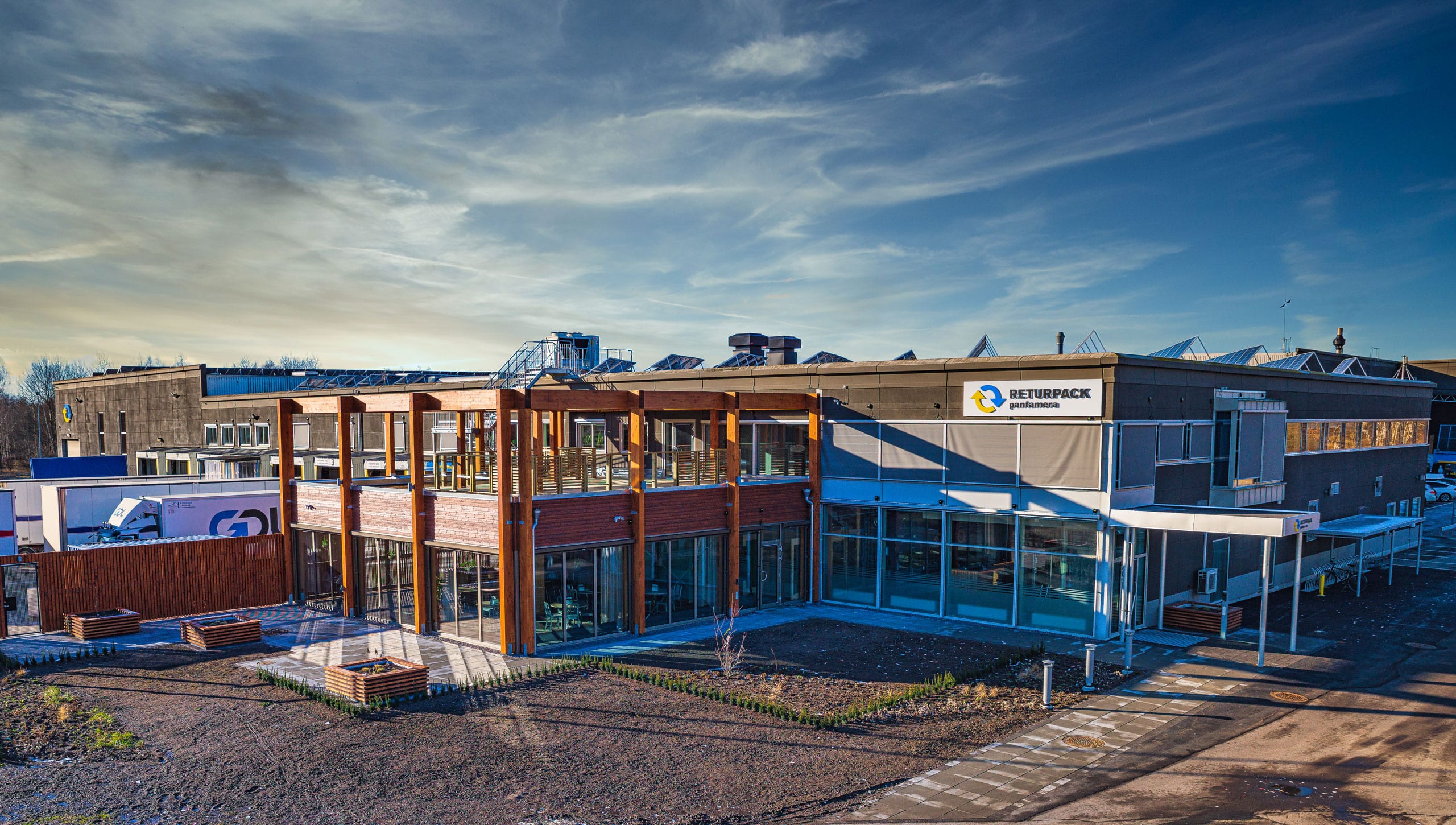
Returpack’s offices and factory are both situated in Norrköping. Most departments involved in the deposit system are based here – including support, logistics, finance, customer service, marketing and the recycling operation itself. Bringing everything together under one roof enables close collaboration. Most employees know each other, which helps to bring about a close-knit working environment.
The offices are located on the upper floor, with windows overlooking the factory floor.
When trucks arrive at the factory, the contents are emptied into designated pits – two pits for PET, one for aluminium – before then being transported along different conveyor belts and on into the factory.
Aluminium is a fantastic material that can be recycled indefinitely. That’s why it’s important for as many cans as possible to be returned through the deposit system.
At the factory, aluminium cans are separated from other metals. Eddy current separators – a type of roller that causes the cans to lift and float along the conveyor belt – are used for this. This separates magnetic metals from non-magnetic metals such as aluminium.
At the end of the conveyor belt, the cans are compressed into bales, which are then sold on to a melting plant. It’s important for the buyer to guarantee that the material will be used for new beverage cans as part of a closed-loop system.
The bales are transported by rail to one of two material buyers located in Europe. There, the aluminium is melted down and formed into large rolls. These rolls are shipped to can manufacturers, which produce new cans that breweries can then fill with beverages.
At the recycling factory, it’s important to separate coloured plastic bottles from clear ones. Only the material from clear bottles can be recycled to form new bottles. Transparent and light blue bottles are also classed as clear.
Plastic is sorted using cameras. When plastic is exposed to infrared light, each colour gives off a different wavelength response, which can be used for sorting.
The bales of sorted and compacted bottles are transported by road to the plastic recycling plant, which is located in the building next to the Returpack factory. There they’re shredded, thoroughly washed and processed further before being sold on as flakes or pellets. The clear material is sold to a factory that manufactures plastic tubes known as preforms. The breweries blow these into shape to create new bottles and refill them with beverages.
The coloured bottles are also recycled, but they can’t be turned into new food-grade bottles. Instead, they’re used in products such as cable ties, furniture upholstery and other plastic items.
Returpack is constantly working on a range of projects to help us improve our recycling capabilities. A lot of work is being done with plastics. For example,
bottle caps are made from a different type of plastic – usually HDPE or PP. These are sorted separately and recycled into pallets, cable drums and waste bins. Returpack works together with a plastics manufacturing company to recycle bottle caps into food-grade caps. It is important to maintain a closed recycling loop for this material as well, thereby preserving its value and quality.
Since 2023, 84 tonnes of label material have been recycled each year and used in the manufacture of plastic pipes – this material was previously lost to incineration.
Around 6–7 per cent of PET bottles are coloured, most of them green. Returpack is working to produce recycled green material that can be used for carbonated beverages.
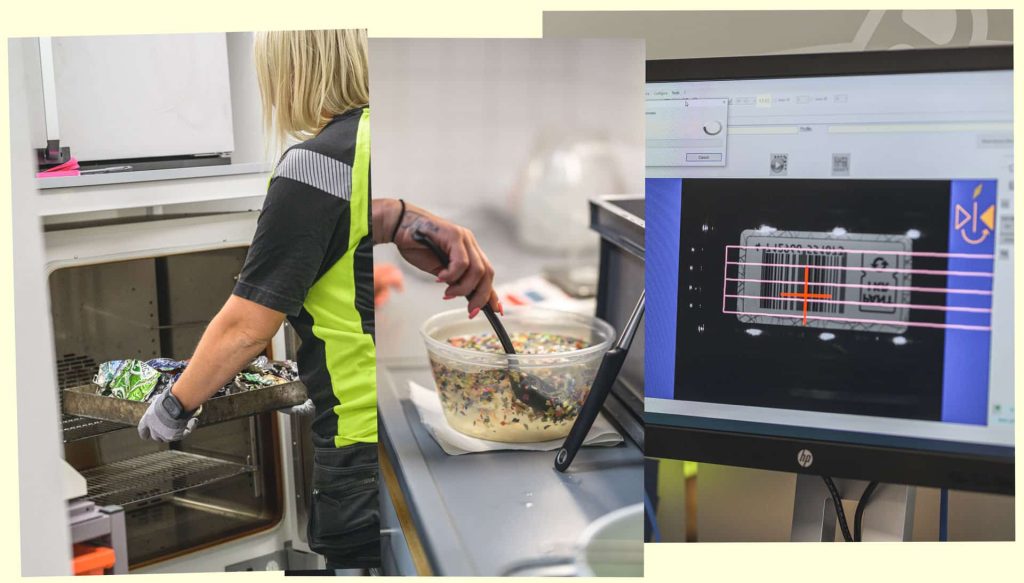
Although the volumes of bottles and cans sent to the factory increase year on year, the factory has the capacity to process far more material than it does today. The main constraint is staffing.
In theory, the factory can process 10 tonnes of cans, 14 tonnes of plastic and 1.5 tonnes of caps – every hour! However, sorting may become more challenging in the future if increasingly complex plastic materials are introduced.
Most companies sell a product or service and then charge their customers; at Returpack, though, it works the other way around. The “transaction” ends with the customer receiving money. You could describe it as a reverse business model. The deposit is the driving force behind the system, and Returpack’s role is to ensure that it follows the packaging through the system and is then refunded to the customer.
Returpack has three main sources of revenue. The sale of material is the first one. Aluminium cans returned through the deposit system are compressed and sold on to a melting plant, where they’re melted down and turned into new cans. PET bottles and caps are also sold on for recycling. That part is pretty straightforward.
The second source is the deposit itself. When a consumer buys a beverage container with a deposit and then returns it, Returpack refunds the deposit. But what happens when bottles and cans aren’t returned? The deposit has been paid, but not claimed back. This remaining amount stays with Returpack and is known as the net deposit. This is used to cover the costs of operating the system. However, the more containers that are returned, the lower the net deposit becomes. If it falls too low, Returpack may need to introduce fees, as described below.
When most companies perform well, profits increase. Here, the opposite applies. However, Returpack’s goal isn’t to make huge profits. Any money left over is used for purposes such as information campaigns to encourage more people to recycle.
Because revenues from plastic are lower than revenues from aluminium, producers have to pay an administration fee, as well as a sorting fee for coloured bottles.
This reverse business model can sometimes lead to unusual situations. One example was when the deposit on cans was raised from 0.25 kronor to 0.50 kronor back in 1987, which led to an increase in recycling. Although this was positive, it meant that more deposits had to be repaid, and Returpack began operating at a loss. To maintain the system, an administration fee was introduced, which had to be paid by producers. The fee was removed once the system was able to fund itself again.
From the outset, stores were paid by Returpack to handle all cans. They needed to invest in deposit machines and cover costs for staff, materials and premises. Even now, anyone operating a deposit machine receives a handling fee for managing both the returns and the equipment.
Returpack also incurs many other costs involved in operating the system, such as staff, administration and the production facility itself. At the same time, resources are needed for development, to simplify the deposit system at every stage, and for information and marketing campaigns to encourage more people to use the system.
Initially, Returpack was mainly owned by the Swedish Brewers’ Association and the can manufacturer PLM. The retail sector held only a small ownership stake – 2 per cent – mainly with a view to gaining insight into the business. Over time, retailers became more interested, recognising the competitive advantage of offering deposit returns in-store – both to attract customers wishing to use the deposit system and to demonstrate environmental responsibility.
At the outset, PLM was the only company to manufacture aluminium cans for the Swedish market. PLM was later taken over and changed its name to Rexam. Other manufacturers have emerged over the years. Competition became uneven as Rexam gained access to more information than its competitors, so Rexam was bought out of Returpack in around 2007. After this, ownership was split equally between retailers and breweries. Or, more accurately, the Swedish Brewers’ Association now owns 50 per cent of the shares, the Swedish Food Retailers’ Federation owns 25 per cent, and Livsmedelshandlarna owns 25 per cent.
Interested in the rules, targets and figures that applied when Returpack was first established?
Returpack’s operations are governed by the Act on the Recycling of Aluminium Beverage Containers (1982:349):
A deposit system shall be established for aluminium beverage containers (aluminium cans), ensuring a recycling rate of at least 75 per cent, in accordance with a commitment made by the breweries, retailers and PLM. The system, to be operated by a specially formed company, shall be introduced in 1983 and achieve full efficiency by 1985.
Act (1982:349)
In 2006, the Swedish Parliament introduced a new regulation. According to SFS 2005:220, “anyone who professionally fills plastic bottles or metal cans with ready-to-drink beverages or who imports ready-to-drink beverages in plastic bottles or metal cans shall ensure that the product is included in an approved return system”.
This supplemented the earlier legislation governing Returpack’s operations. Previously, small shops and pizzerias often sold imported soft drinks that were not included in the deposit system, which they then sold on to customers. Under the new rules, all cans and PET bottles placed on the Swedish market had to be included in the deposit system. Any companies with existing stocks of imported beverages could purchase labels from Returpack that they could apply to the packaging.
From 1 January 2023, it became mandatory for all juice and fruit syrup packaging to be included in our deposit system.
The new Ordinance on Producer Responsibility (2022:1274) came into force on 1 January 2023. This extended producer responsibility to all companies placing packaging on the market. Among other things, it meant that all producers were required to join or establish a producer responsibility organisation (PRO) – such as Returpack. Such organisations have to be approved by the Swedish Environmental Protection Agency (Naturvårdsverket).
In its role as a PRO, Returpack offers producers of plastic and metal beverage containers the opportunity to join an approved return system.
The Swedish Board of Agriculture had been the supervisory authority for Returpack since the launch of the deposit system, but responsibility was transferred to the Swedish Environmental Protection Agency in connection with this regulation.
The Waste Ordinance (SFS 2020:614) also governs how waste is to be handled. From 1 January 2023, all households, businesses, organisations and other operations are required to separate deposit-bearing bottles and cans from other waste and ensure that they can be recycled to create new packaging.
From 1 January 2026, municipalities must arrange separate collection of packaging in public squares and parks, as well as other popular locations where they’re responsible for upholding sanitation standards. Returpack, in turn, is responsible for ensuring that collection containers are available and that the return system functions properly. We’re also responsible for providing information about sorting and deposits, and for encouraging participation in the system.
The Packaging and Packaging Waste Regulation (PPWR) came into force in February 2025. Its aim is to reduce packaging waste, increase reuse and ensure that all packaging within the EU can be recycled. Among other things, the regulation requires all EU countries to have introduced a deposit system by 2029, with a target of collecting 90 per cent of plastic bottles and metal cans.
Returpack’s primary goal is not financial but to achieve a high recycling rate – that is, the proportion of packaging sold within the deposit system that is returned.
The initial target was 75 per cent, but this was later raised to 90 per cent.
Our job is to ensure that the deposit system works at every stage, which includes providing information about recycling, handling deposit refunds and coordinating the collection of empty packaging.
The Swedish Parliament has established the legal framework governing these activities through the
In Sweden, the target is to recycle 9 out of 10 cans and PET bottles. The actual rate has been slightly below that level in recent years, although our deposit system is still one of the most successful in the world.
Returpack has conducted several lifecycle analyses in recent years, demonstrating the environmental benefits and impacts of the deposit system. One finding is that returning packaging through the deposit system results in almost twice the carbon dioxide savings compared with sorting it into plastic and metal recycling, and more than three times the savings compared with disposing of it with household waste and incinerating it.
But the work is never over – there’s still potential to reduce emissions from transport, improve the sorting of plastic bottles and increase the recycling of bottle caps and labels.
It’s important for Returpack to understand what motivates people to use the deposit system. That’s why surveys are conducted every two years in collaboration with Kantar.
Attitudes in Sweden towards the deposit system are positive and improving year on year. Confidence in the reliability of deposit machines and the cleanliness of return locations has increased over time. More people are also reporting that they understand what happens to returned bottles and cans.
The most common reason for using the deposit system is concern for the environment. Other reasons include a dislike of littering, protecting nature, saving energy and ensuring packaging is recycled. And, of course, receiving the deposit refund is important too.
Some factors that previously discouraged recycling have become less significant over time, Fewer people now consider it inconvenient to return packaging to a shop, or view recycling as dirty or unhygienic. Overall, attitudes have become more positive, and Returpack sets new records every year.
The visibility and popularity of advertising have also played an important role in shaping public perception and creating a more positive attitude towards the system.
Raising awareness of the deposit system and encouraging more people to return their bottles and cans is a key part of Returpack’s mission. That’s why marketing is an important part of the operation, and there are two main strategies regarding the returning of packaging:
In marketing and advertising, we always use the name Pantamera, not Returpack.
The primary target group is “Everyone who consumes beverages” – in other words, a very large proportion of the population.
Within this large target group, there’s also a smaller group that has traditionally been more difficult to reach – young adults aged 16 to 29. People in this group tend to consume a high volume of beverages but are less likely to return the packaging. Residents of larger towns and cities are also a key target group. They’re more likely to consume drinks on the go and often have limited space at home to store packaging before returning it. Many live in smaller households, shop on their way home from work and are less likely to buy in bulk compared with people living outside urban areas.
Most people who live in Sweden are familiar with the Pantamera song.
It all began in 2004, when the famous Cuban song Guantanamera was adapted into “Pant a mera” to promote the deposit system. It was recorded by Buena Vista Social Club – the band behind the original song – and the video was created in Cuba.
Since then, a number of well-known artists have created their own versions of the Pantamera song: The Ark, Caroline af Ugglas, Pugh, Movits, Familjen, De vet du, Rolandz, Linda Pira, Kaliffa, Petra Marklund, Myra Granberg, Hooja, Bell, E-Type and Lordi.


School activities are a powerful way to get children interested in recycling and deposit systems from an early age. Pantresan is an inspiring teaching resource on sustainable development, designed for students from preschool through grade 6. It equips teachers with an engaging tool to spark curiosity and conversation around climate and environmental issues. Available all year round, it’s ready to use whenever it fits the schedule.
Find out more at pantresan.nu.
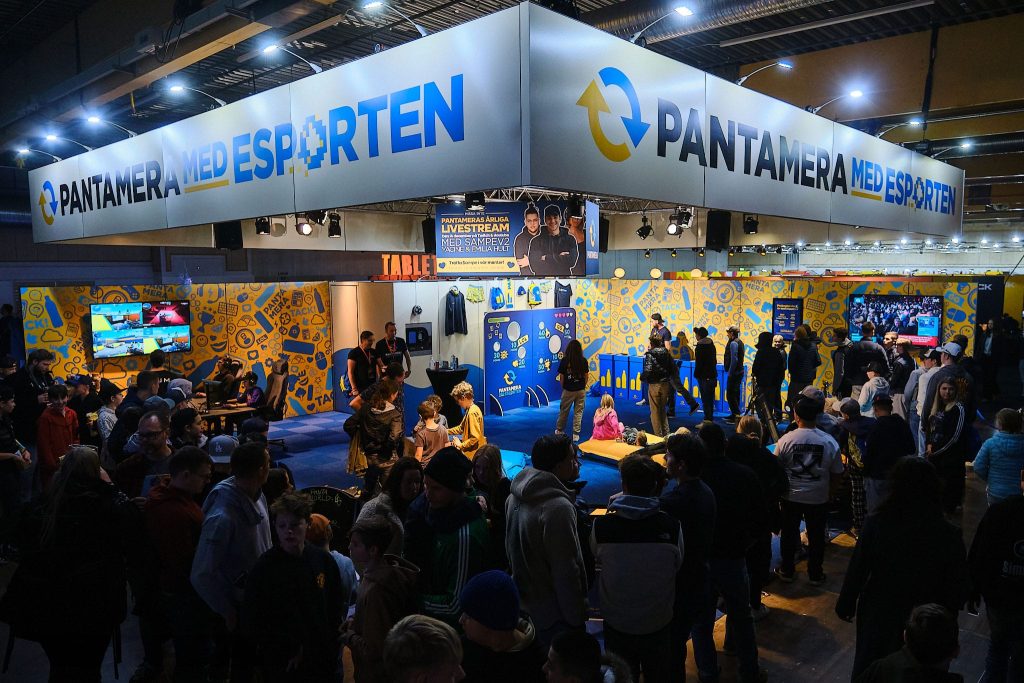
A small proportion of the marketing budget has always been set aside for testing new ideas. This made it possible for Returpack to enter the esports arena back in 2011, when very few companies were active there. One initiative involved inviting well-known figures from the esports world to create their own version of the original music video “Pant a mera”. The video was very well received by the target audience and reached esports players all over the world.
The collaboration with esports gives Returpack the opportunity to connect with groups of young people who consume large quantities of energy drinks. We’ve collaborated with well-known gamers and organisations such as Universal Music and Dreamhack – and have turned the deposit system into a common charitable cause for esports players all over Sweden. For several years in a row, they’ve worked to become the largest Musikhjälpen fundraiser through deposit returns.

Humour is another effective way of reaching out to younger audiences. Pantamera Humour began in 2018 as a social media comedy channel on Instagram and YouTube. A dedicated editorial team produced the content and has since created hundreds of sketches, clips and videos.
Pantamera Humour has also served as a platform for emerging comedians in Sweden, with many well-known names taking part. From 2021 and for several years afterwards, a comedy scholarship was awarded and we ran a humour school on YouTube. All of this has had a positive impact on young people’s attitudes towards the deposit system.
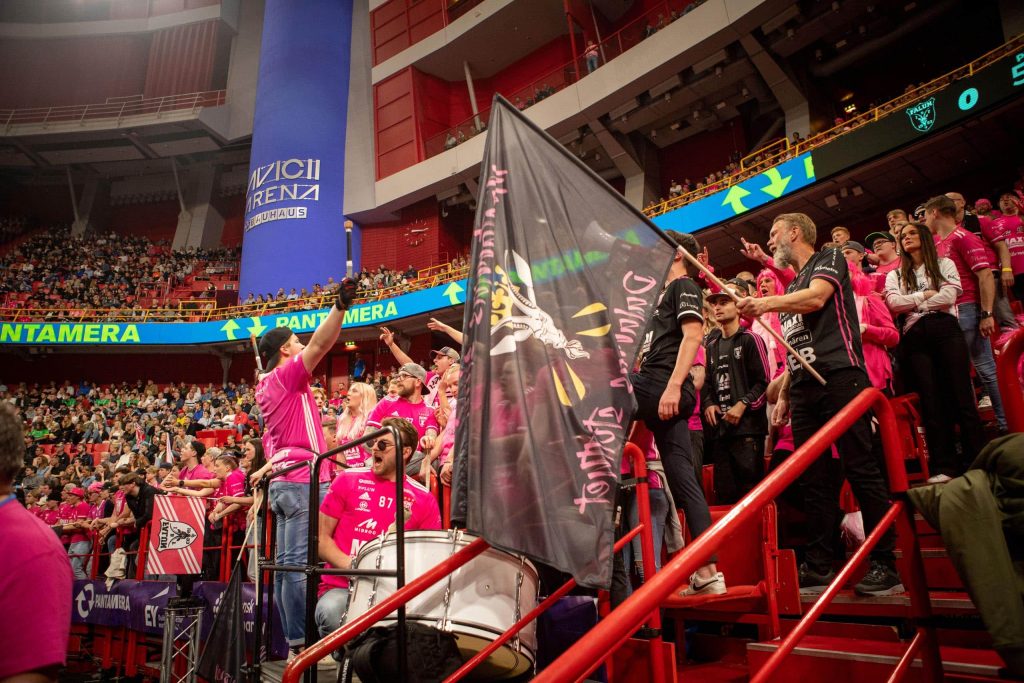

Since 2015, Pantamera has been the main sponsor of the national floorball organisation, Svensk Innebandy. This collaboration forms part of our long-term commitment to children and young people.
Floorball was chosen because of its inclusive nature and shared values. The partnership includes sponsorship, organising tournaments, collecting return packaging, encouraging clubs and associations to join the system, and engaging floorball coaches, players and adults.
Find out more at schysstinnebandy.nu.
Pantamera is involved in collaborations with most of Sweden’s major festivals and events.
We also work with other organisations, such as:
Various activities are also carried out with retailers.
Environmental concern remains an important reason why people use the deposit system. but it’s not enough for Returpack to simply say that returning packaging is “good for the environment”. Consumers are increasingly well informed and want more detailed information, which is why Returpack now includes carbon dioxide savings in its communications.
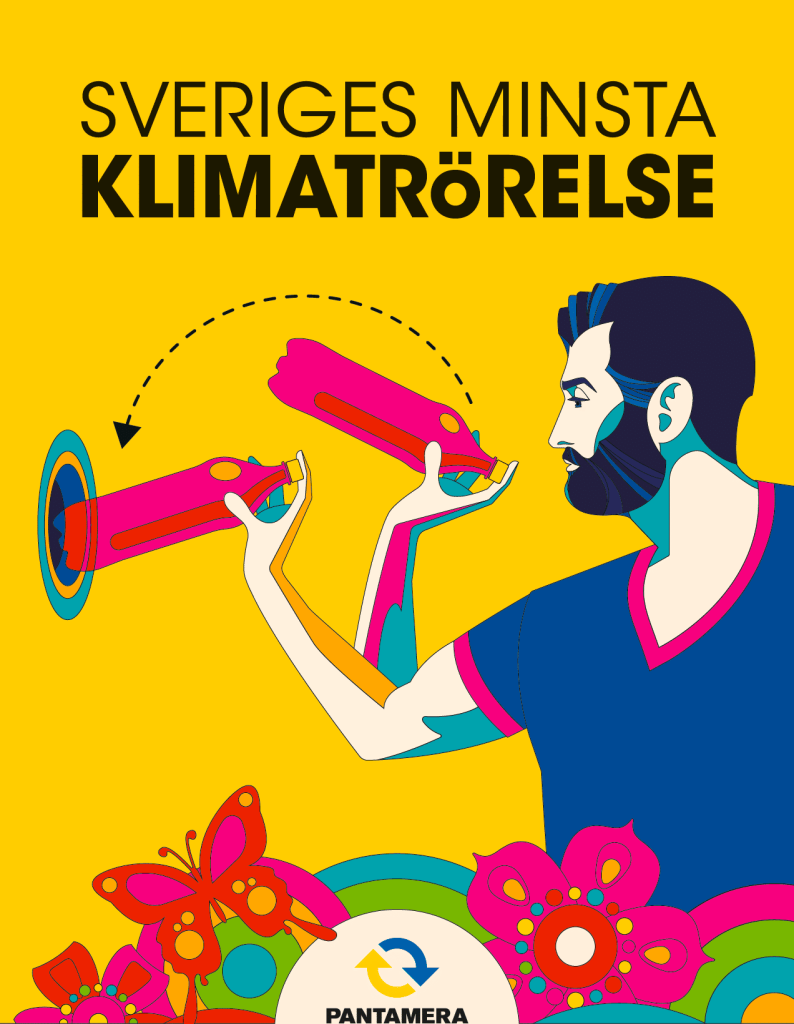
The “Sweden’s smallest climate movement” campaign was launched at the end of 2020. As before, humour and a light tone remain key elements of our advertising. The campaign features a drawing of a person returning a bottle, with motion lines illustrating the small movement of the arm as he inserts it into the machine. But it also refers to the wider climate movement and highlights how individual actions contribute to something much larger. Over the course of a year, each person contributes to significant reductions in carbon dioxide emissions.
Pantamera isn’t just about catchy music and the feel-good factor. In recent years, Returpack has learned a lot more about the impact of the deposit system. The company has conducted several lifecycle analyses and can quantify the benefits of the deposit system. Returning a PET bottle, for example, saves almost twice as much carbon dioxide as recycling it together with other plastic waste. Returpack aims to communicate this more clearly so that consumers understand the real impact of their actions.
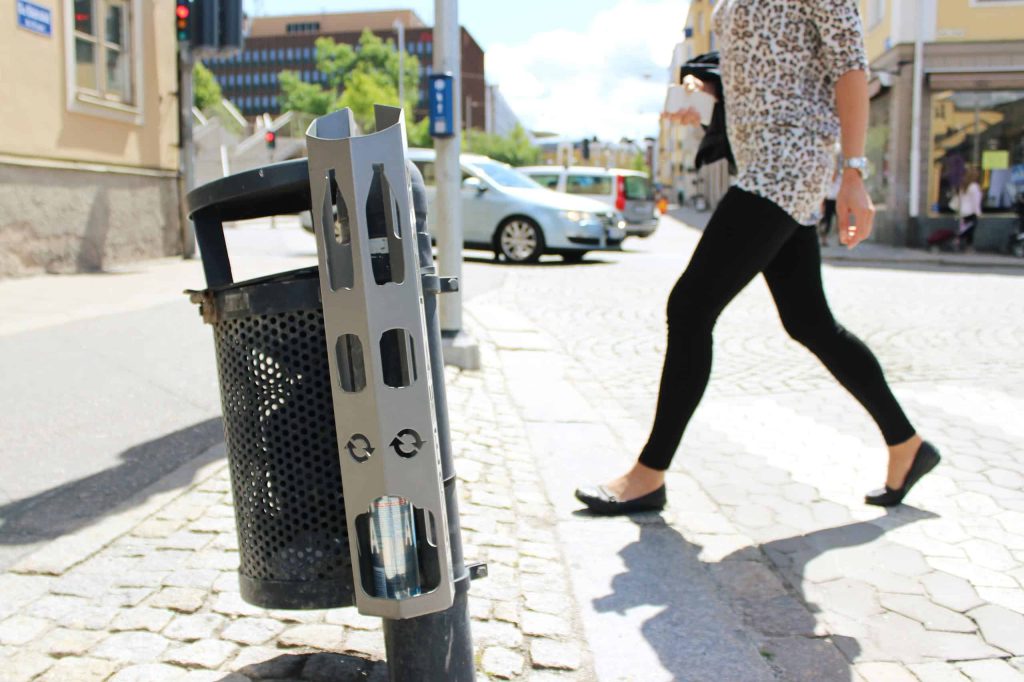
The deposit system should be available wherever people spend their time – by providing dedicated tubes fitted to waste bins or providing other ways of returning packaging, for instance. That said, it should be easy for people who rely on deposit refunds to collect packaging and redeem the deposits.
Collecting deposit packaging is an important source of income for many people – some do it to supplement their funds, while for others it’s a necessity. The use of dedicated deposit packaging tubes can make people’s lives easier and more dignified, so they don’t have to rummage around in rubbish bins to search for deposit-marked bottles or cans.
One of the challenges ahead involves adapting to changing consumption habits. People no longer shop in the same way as before, for instance. Many now shop online or collect pre-ordered goods without even entering a store. We need to find new ways of ensuring that packaging continues to be returned. Finding solutions that are suitable for larger towns and cities,
as well as resolving the issue with border trade, will be particularly important. How can Returpack encourage Norwegians to return their bottles and cans in Sweden? A lot of packaging is lost in this way.
Returpack encourages media coverage of the deposit system – the more attention that is paid to the environmental benefits and advantages of going to a store and returning packaging, the better. One way of working with PR has been to compile a deposit index. This initially started as just a test, to see how the deposit system was being used in different parts of the country. The figures also proved to be of interest to many newspapers.
Visitors can log in on the website and select their own municipality. Besides showing local return rates, the data is converted into energy equivalents – how many showers you could take with the energy saved, for example, or how many hours of TV viewing it represents. This is a recurring theme in how Returpack’s communications are presented, making it easy for people to understand the real impact of returning even a small number of cans and bottles.

This section provides an overview and lists some key milestones. You can also read about deposit systems in other countries, as well as some of the amusing mishaps along the way.
The arrival of aluminium cans in Sweden coincided with the emergence of our environmental movement. The government tasked Returpack with creating a deposit system to allow cans to be recycled. Read or watch the video to find out more.
Today, the deposit system is part of our everyday lives. Information is provided here on how all the various elements fit together – deposit machines, logistics, recycling and marketing.
There was a lot to think about when the deposit system was first introduced. All aspects of Returpack had to work properly, while deposit machines had to be developed and people’s awareness of the deposit system had to be raised.
How have the various elements of the deposit system developed over the years? This section covers topics such as aluminium, plastic and deposit machines.
Find out more about the move to Norrköping, the development of the factory and the need for new logistics, as well as other exciting developments