Would you like to know more about Sweden’s deposit system? If so, you’ve come to the right place! Returpack’s history is divided into five different sections. Let’s start with a quick overview, including legislation, milestones and deposit systems in other countries – as well as a few amusing mishaps along the way.
Pantamera and Returpack
Have you heard of Pantamera? Great! That’s the name we use when we talk to consumers about deposits and recycling. People in Sweden already return their empty drinks containers to deposit machines. The name Pantamera helps to encourage us to go on improving.
Returpack is the company behind Pantamera. It’s owned by the Swedish Brewers’ Association (Sveriges Bryggerier), the Swedish Food Retailers’ Federation (Svensk Dagligvaruhandel) and Livsmedelshandlarna.
Founded in the early 1980s, Returpack is responsible for collecting and recycling aluminium and plastic drinks containers. Both names are used nowadays: Returpack when referring to the company, and Pantamera when talking to consumers.
Returpack’s history
1955
Sweden establishes a nationwide, state-owned alcohol retail system: Systembolaget.
1955
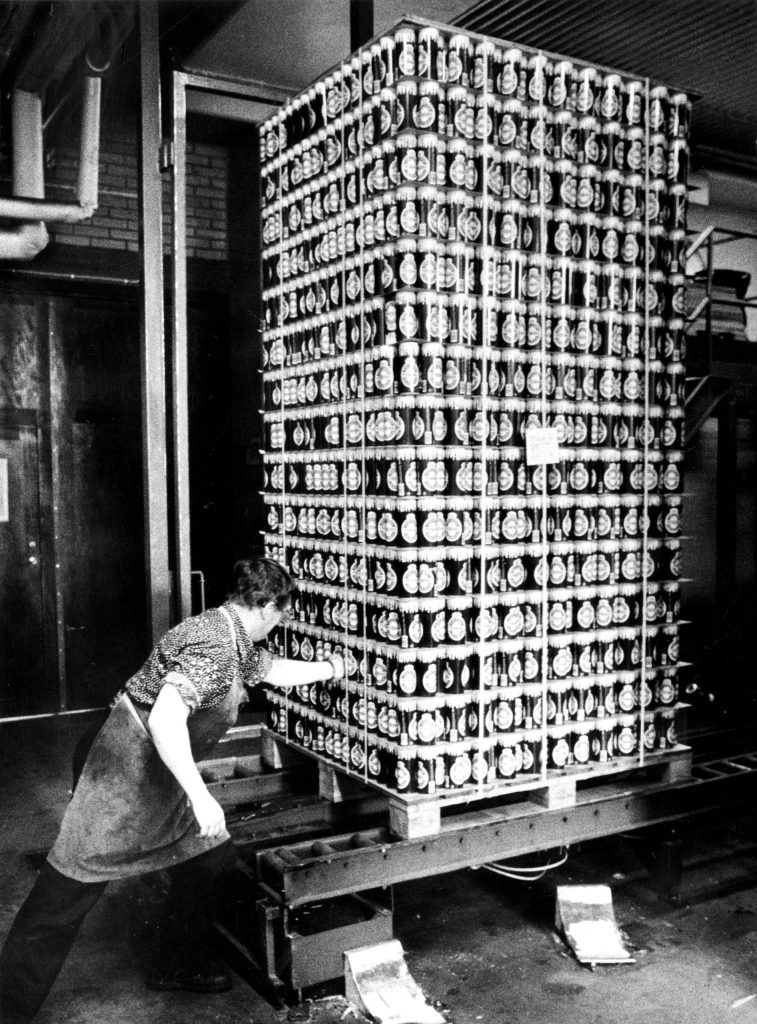
The first beer cans are introduced in Sweden,
made of steel and constructed from three separate parts.
The end of
1970-talet
Sweden introduces the two-piece can,
as well as the aluminium can. We wanted to switch to the new aluminium can.
1982
Returpack is founded and a deposit system for aluminium cans is introduced.
1984
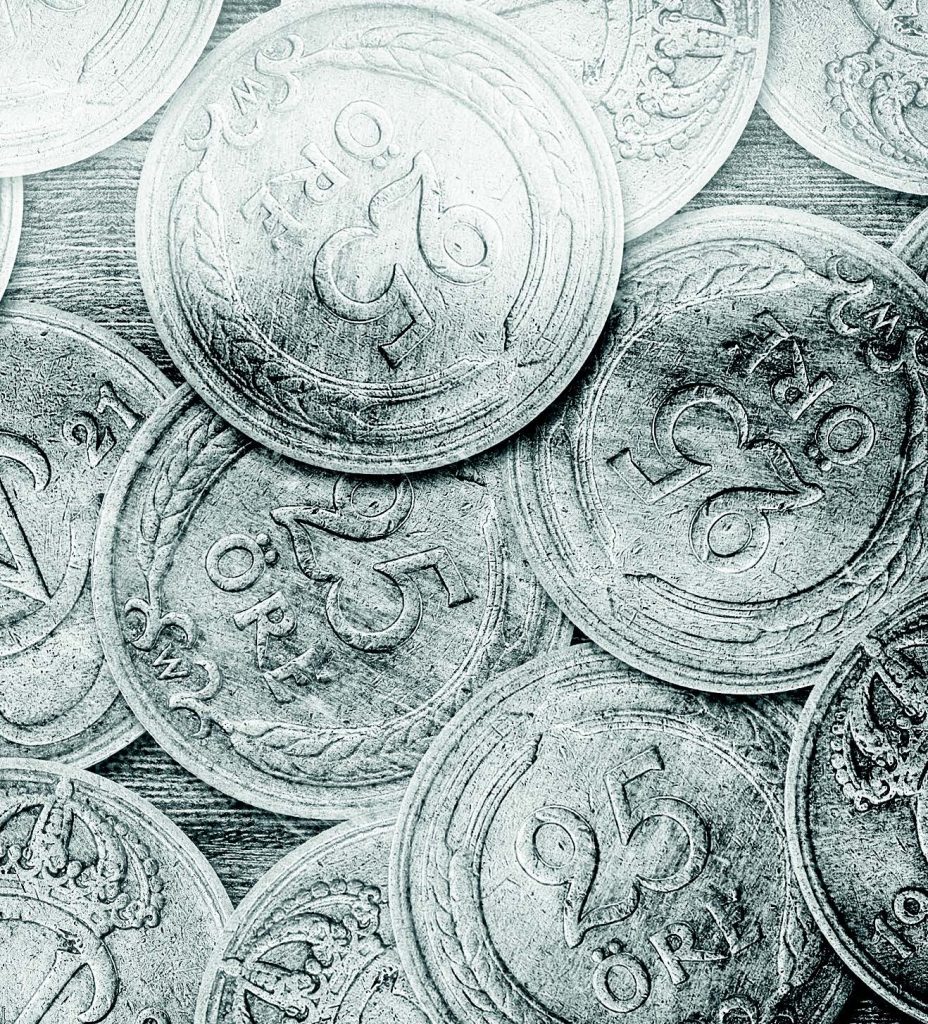
The deposit system is launched. The deposit is 0.25 kronor per can.
Returpack had offices in Malmö and Spånga.
1985
The target was to recycle 75 per cent of all aluminium cans by 1985.
1987
The deposit is increased for the first time,
doubled to 0.50 kronor – with a new recycling target of 90 per cent by 1993.
1987
The Spånga office relocates to Mariahissen on Söder Mälarstrand in Stockholm.
1991
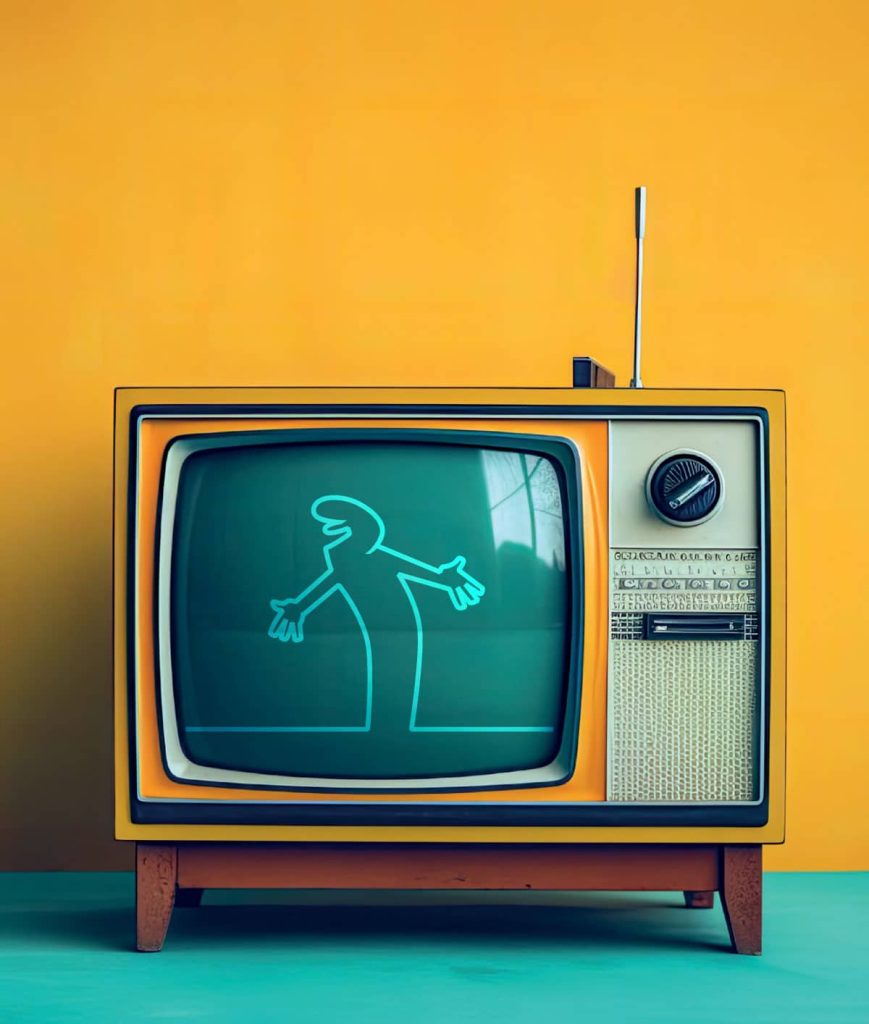
The popular illustrated character Linus demonstrates how to use deposit machines.
1994
A deposit system for PET bottles is introduced.
1995
Producer responsibility for packaging and paper is introduced – but Returpack is already a decade ahead.
2000
Direct crediting is introduced after about three years of development.
Returpack pays deposits directly to retailers without involving breweries. Return machines log all deposits.
2003
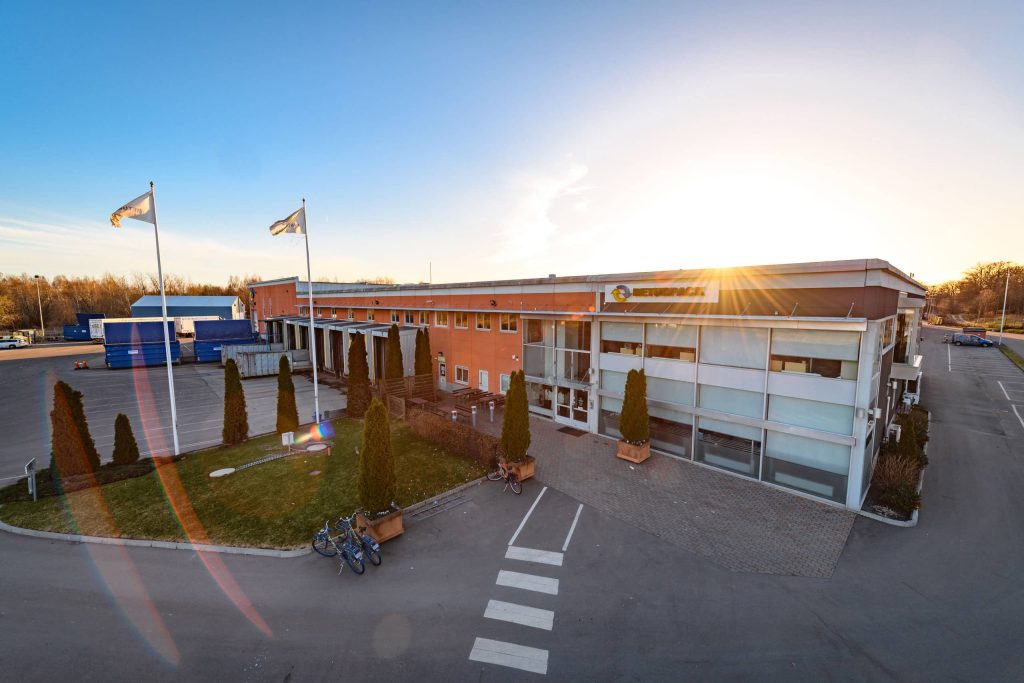
Construction of the Norrköping factory begins. The first deliveries of returned packaging arrive in October.
2004
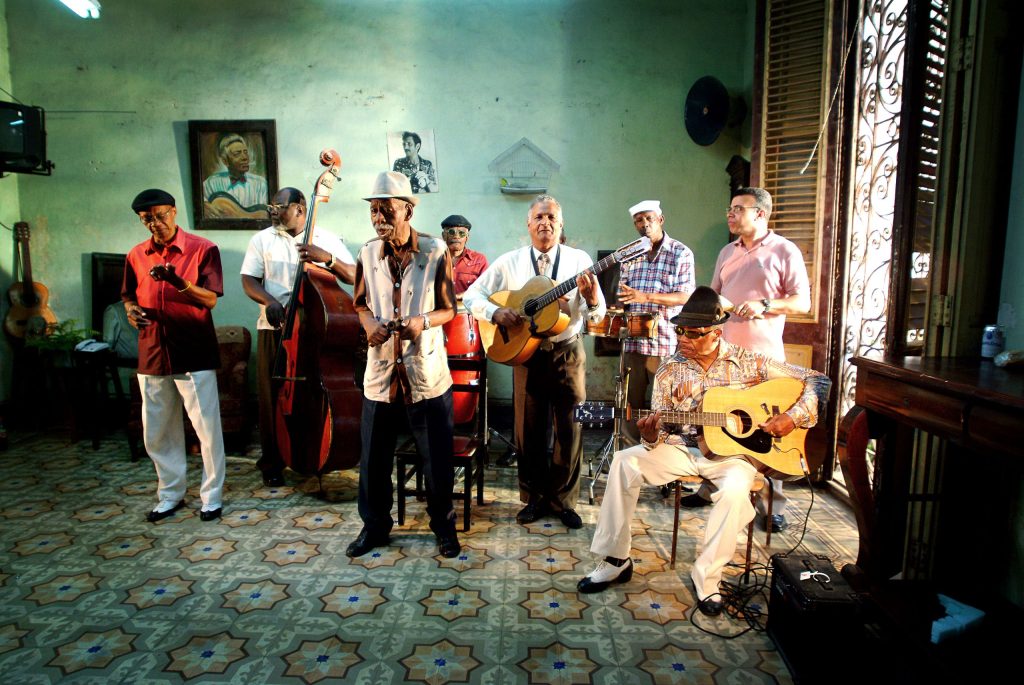
The Pantamera brand is launched with the music video “Pant a mera” (Guantanamera), which features the Cuban band, Buena Vista Social Club.
2005-2006
The entire company relocates to Norrköping.
2006
A new regulation, 2005:220, requires all metal cans and plastic bottles in circulation in the Swedish market to be included in a deposit system.
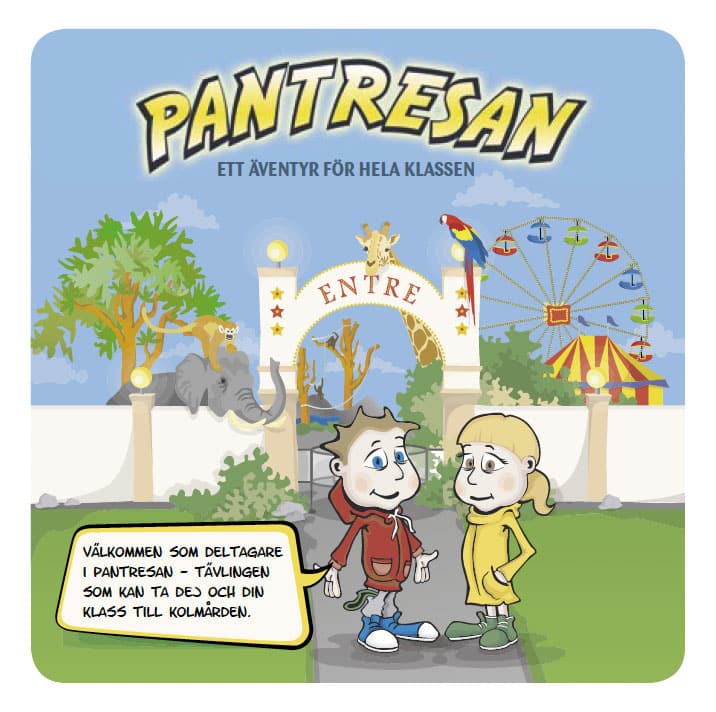
Pantresan is launched.
2007
A new ownership structure.
The can manufacturer is bought out, leaving breweries and retailers each holding 50 per cent.
2009
A new bulk collection system is launched. This is then rolled out to all 21 Swedish regions within two years.
2010
The deposit is increased again – from 0.50 kronor to 1 krona per can.
2011
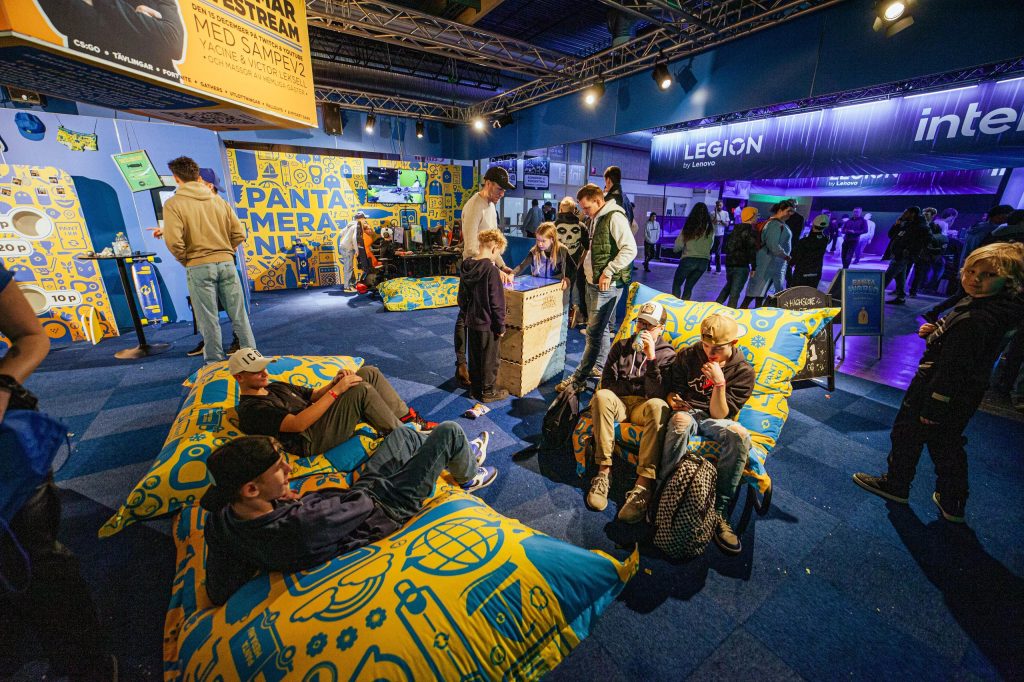
Collaboration with esports begins in order to reach younger audiences.
2012
Investments are made to improve aluminium quality at the factory.
2014
Bulk 2.0.
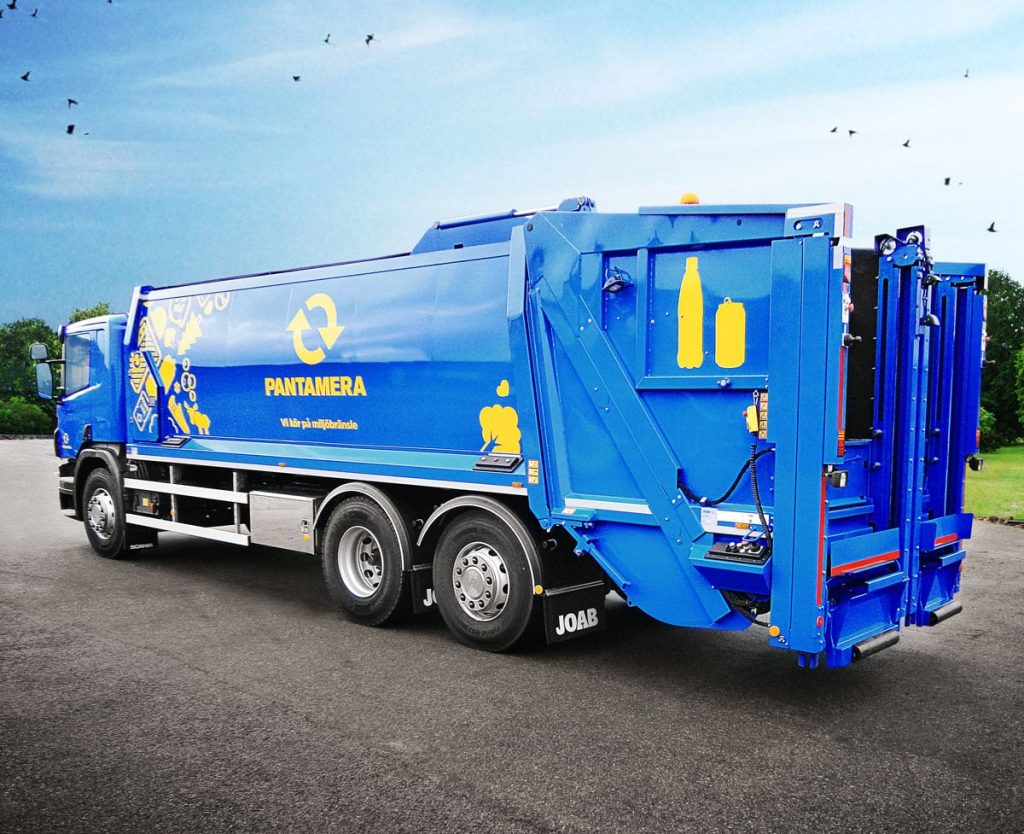
Focus on self-monitoring and the environment. The introduction of fossil-free fuel and a dedicated transport system.
2015
Plastic sorting is relocated to optimise factory space.
Fruit syrup packaging producers join the system.
The first Pantamera Express machine is installed.
Collaboration begins with Svensk Innebandy.
2017
Our first sustainability report is published.
Recycling of bottle caps begins.
2018
Pantamera Humour is launched.
2018
Juice packaging producers join the system.
2019
The Deposit Store of the Year competition is launched.
2020
The pandemic affects the deposit system. Cross-border trade declines and more packaging stays in Sweden. Consumers shift towards larger bottles for home consumption in place of smaller ones.
2022
A two-machine deposit station opens in central Stockholm.
2023
All fruit syrup and juice packaging is included in the deposit system.
2024
Caps are required to remain attached to PET bottles.
(EU directive)
2024
Our transport operations are now 100 per cent fossil-free!
2025
Deposit values for all
drinks packaging
are increased by
1 krona.
Packaging and the environment
Although initially seen as a threat, the aluminium can went on to become part of the solution.
Returpack’s story began when aluminium cans were introduced in Sweden.
At the time, they were heavily criticised and seen as a major environmental concern. Their arrival helped galvanise Sweden’s environmental movement, which in turn put pressure on companies that supported the new packaging. Breweries and the can manufacturer PLM were forced to find a way of recycling the product – otherwise, there was a risk of a blanket ban on cans.
This led to cross-sector collaborations. Former competitors began working side by side to devise a solution. Ideas and new technologies began to emerge, and breweries, retailers and can manufacturers had no choice but to join in. Swedish government policy also played a crucial role. The government quickly transferred full responsibility for recycling to the industry. All parties involved in Returpack benefited from this collaboration. All these factors were crucial in creating our Swedish deposit system, changing public perception of aluminium cans.
What was once seen as a symbol of littering became a symbol of recycling instead.
Our deposit system delivers two major environmental benefits. Firstly, it saves energy. Producing a can from recycled aluminium uses about 95 per cent less energy than making a new one, and the less energy we use, the lower our carbon emissions. We can recycle aluminium cans indefinitely, too.
Our recycling factory operates like a modern mine – not extracting raw materials but recovering plastic and aluminium for reuse. More than 50,000 tonnes of material are recovered each year at the Returpack factory in Norrköping.
Secondly, it helps keep packaging out of the natural environment. Discarded aluminium cans take anything from 200 to 500 years to decompose, while it takes about 450 years for PET bottles. And even then, microplastic particles would still be left behind. Just think of the vast amounts of plastic we see floating in our oceans on the other side of the world. And it’s not only what we can see that harms the environment – a lot happens beneath the surface.
Our deposit system has also helped drive progress with regard to other environmental issues. Today, we happily recycle so many other things – but it all began with the humble aluminium can.
Deposit systems around the world
Border trade
As much as 15 per cent of all cans and PET bottles in Sweden are sold through cross-border trade with Norway. Our Norwegian neighbours often buy their drinks here because prices are lower. Norway taxes both sugar and packaging, and alcohol is more heavily taxed than in Sweden.
Around one-third of these bottles and cans are returned to us and enter our deposit system. The rest are recycled in Norway; either by Infinitum, the Norwegian deposit system, or through the Norwegian metal recycling system. Returpack is working to expand the number of deposit stations along the border so that more Norwegians can return their containers in Sweden when they come back here to shop.
Deposit systems in other countries
Sweden was the first country in the world to introduce a nationwide deposit system. This sparked interest in many other countries, who sent teams here to see how it worked. Returpack representatives have also travelled far and wide to provide information or support. Within a few years, the other Nordic countries had introduced their own deposit systems, using Sweden as a model.
Sweden introduced its deposit system in 1984.
Iceland in 1989
Finland in 1996
Norway in 1999
Denmark in 2004
In time, Germany, Estonia, Lithuania, and several US states and Canadian provinces also introduced deposit systems. And new countries were being added to the list all the time – clear evidence of growing interest in deposit systems and recycling.
In early 2025, momentum increased further with the introduction of the EU’s Packaging and Packaging Waste Regulation (PPWR), which requires all EU countries to have a deposit system in place by 2029.
During this period, Returpack has had many productive discussions with other countries, exchanging knowledge about how the different deposit systems work.
Different countries need different deposit systems
The EU’s collection target for aluminium is the same as in Sweden: 90 per cent. Many countries see deposit systems as an effective way of achieving this target. With freedom of movement between countries, a shared deposit system might seem a good idea. Studies have been conducted to identify a model for the Nordic countries, but several of these have shown that our countries are too different for this to work.
Each country needs a system that works to suit its own circumstances. Legislation, collection methods, packaging and consumption patterns all vary. Here in Sweden, participation in the deposit system and accepting deposits is voluntary, but some countries require that anyone selling beverages in deposit-marked packaging must also accept returns – even small kiosks.
Differences between Sweden and Norway
In Norway, there is no legal requirement to collect deposit packaging. Instead, packaging is taxed if producers fail to meet certain recycling targets. The threat of this tax is what drives participation in the deposit system – and this approach works well. Return systems also differ, and every country has to find the model that suits it best.
It is also difficult to compare how successful our different systems are. There is no universal method of measurement, and each country has its own way of doing it. In Norway, cans that are discarded with household waste and then incinerated are included in the figures. Here in Sweden, only cans returned through Returpack are counted.
Recycling cans without a deposit
Deposit systems are not the only way of achieving high recycling rates. Some countries manage effective recycling without them. Brazil, for example, has no deposit system, but over 90 per cent of cans are recycled. This is largely because there are so many people who are poor, and one way to survive is to collect cans and sell them. A similar pattern exists in the southern states of the USA and in Russia, where scrap dealers run recycling centres. They buy the scrap and sell it on to melting plants. However, these systems are not as reliable and cannot be managed as efficiently as deposit systems.
Impact of external factors
Although Returpack operates a closed system for beverage packaging within Sweden, external factors affect us in various ways.
In 2008, the collapse of American investment bank Lehman Brothers caused the stock market to crash, which in turn caused a sharp drop in the price of aluminium. At that time, Returpack was selling at least 15,000 tonnes of aluminium per year, so the financial impact was enormous. By acting at the right time, Returpack was able to secure both prices and the dollar exchange rate.
Sales of aluminium have increased over the years as more cans have entered circulation. In 2024, our sales amounted to just under 27,000 tonnes.
These are examples of an important element in the running of Returpack: securing revenue, primarily from aluminium sales. Every month, reconciliations and assessments are made of future price and dollar trends.
Amusing mishaps in our past
The Spotify mishap!
This happened when Spotify was still fairly new. Returpack used the “Pant a mera” song as a jingle during ad breaks. These ads were required to be “tasteful and not disruptive”. But infortunately, the wrong track was sent to Spotify. Instead of a short, catchy jingle, they were sent the full-length version – over three minutes in length! And as Spotify advertising was still relatively new, they included the song in every ad break. It happened to be payday weekend, and many people were streaming music at parties. Listeners quickly grew tired of hearing the same jaunty three-minute Pantamera song repeatedly. The backlash even reached Facebook, with groups such as: “People who hate the 5-minute Pantamera ad on Spotify”.
The wine mishap!
Returpack has three main sources of revenue. Returpack mistakenly approved a PET wine bottle for sale at Systembolaget. This was one of the first PET wine bottles, and the importer promoted it as being returnable in the deposit system. However, it turned out to be incorrectly designed, and the base was too rigid – so trying to return it would wreck the deposit machines. Unsurprisingly, retailers were reluctant to accept the bottles, but Systembolaget had already started selling the wine, and wine producers still had stock in hand.
Chaos ensued, and Returpack employees joked about buying all the bottles themselves. But thankfully, a solution was found. Customers were asked to return the empty bottles to Systembolaget, and Returpack sent out bags and labels for returns.
These kinds of situations can sometimes have a positive outcome. At Returpack, they bring people together and help improve internal procedures. We developed a new bottle and the problem was solved.
Interesting finds
When Returpack opened its factory in Norrköping, most of the returned packaging arrived in large cardboard boxes. Sometimes, though, bottles and cans weren’t the only things included in the boxes. A number of interesting finds have turned up over the years: Halloween costumes with scary masks, entire boxes of DVDs, and even a safe. Twelve unopened bottles of Rioja turned up too – which was remarkable, given the fact that the stores didn’t even sell wine.
This section provides an overview and lists some key milestones. You can also read about deposit systems in other countries, as well as some of the amusing mishaps along the way.
The arrival of aluminium cans in Sweden coincided with the emergence of our environmental movement. The government tasked Returpack with creating a deposit system to allow cans to be recycled. Read or watch the video to find out more.
Today, the deposit system is part of our everyday lives. Information is provided here on how all the various elements fit together – deposit machines, logistics, recycling and marketing.
There was a lot to think about when the deposit system was first introduced. All aspects of Returpack had to work properly, while deposit machines had to be developed and people’s awareness of the deposit system had to be raised.
How have the various elements of the deposit system developed over the years? This section covers topics such as aluminium, plastic and deposit machines.
Promoting awareness of the deposit system and inspiring more people to return their cans and bottles is a key part of Pantamera’s mission. Here you can follow how our marketing has evolved over time.