How have the various elements of the deposit system developed over the years? This section covers topics such as aluminium, plastic and deposit machines.
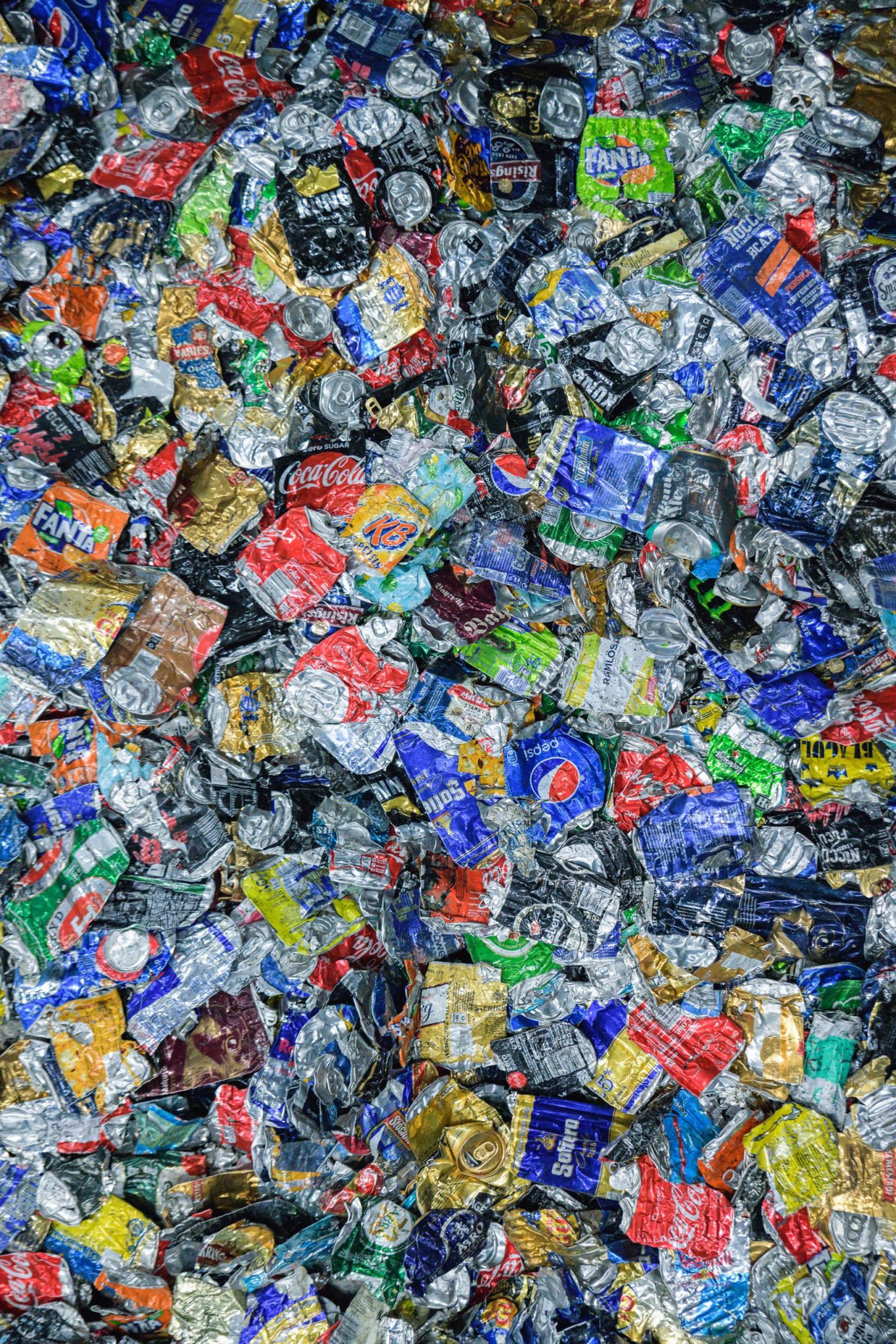
For the first ten years, only aluminium cans were included in the deposit system. The flattened cans collected were transported to Gränges Aluminium in Finspång, where they were melted down and turned into new material in the form of large aluminium rolls. These rolls were then used by can manufacturers to produce new cans, which were filled by breweries – thereby completing the cycle.
Until 1990, the law prevented Returpack exporting aluminium scrap. When this restriction was lifted, it became possible to sell the material to facilities in the UK that could produce wider rolls than those available in Finspång. Today, Returpack works with two material buyers in Central Europe. These have been carefully selected to ensure that the aluminium is used to manufacture new cans, thereby allowing the circular system to be maintained. Can manufacturers in Sweden buy aluminium rolls from these melting plants to make new cans.
Major efforts were made in 2012 to improve the quality of aluminium, which included installing eddy current separators at the factory. These are big rollers that cause the cans to lift and float along the conveyor belt. This separates magnetic metals from non-magnetic metals such as aluminium. At the end of the conveyor belt, the cans are compressed into bales. The material is then sold to companies that melt it down and use it to manufacture new aluminium cans.
Buyers rank their suppliers according to material quality. Returpack’s aluminium was previously ranked third, but it moved into first place after this change was made and has remained there ever since.
For the first ten years, only aluminium cans were included in Returpack’s deposit system, but in 1994, a deposit was also introduced for recyclable plastic PET bottles.
PET stands for polyethylene terephthalate, the type of plastic used to make the bottles.
Bottled water wasn’t all that common in Sweden in the early 1980s. Why pay for something that came straight from the tap? However, we did buy fizzy drinks and beer. In shops, people filled crates with glass bottles, especially during holidays such as Christmas, Easter and Midsummer. But we also bought large PET bottles of Coca-Cola and Pepsi which had been imported from the Netherlands.
To reduce transport costs, Swedish breweries began bottling soft drinks domestically and gradually introduced their own 1.5-litre plastic bottles. These had rounded bases and were fitted with a black plastic support so they could stand upright.
At that time, PLM was the only company in Sweden manufacturing aluminium cans and glass bottles, but more manufacturers entered the market with the introduction of the new plastic bottles.
Consumers appreciated the lightweight bottles, which were easy to carry, but this also led to more littering. Breweries became concerned that plastic bottles might be banned, and quickly came up with a proposal for a refillable alternative.
The refillable bottles were also made from PET, but the plastic was thicker and heavier. They needed to withstand repeated washing, rough handling and high temperatures.
At that time, the breweries themselves managed the deposit, which was set at four kronor per bottle. They collected empty bottles from shops, washed them and refilled them. This helped to address environmental concerns while also slowing the import of disposable PET bottles.
Sweden was one of the first European countries to introduce refillable PET bottles. The manufacturing process required advanced technology, and the breweries weren’t entirely convinced by this. The bottles were difficult to clean properly, and they could become scratched and discoloured over time. Moreover, changing the design if a brand wanted its bottle to stand out was a complicated and costly process. For smaller breweries, investing in washing equipment represented a significant cost.
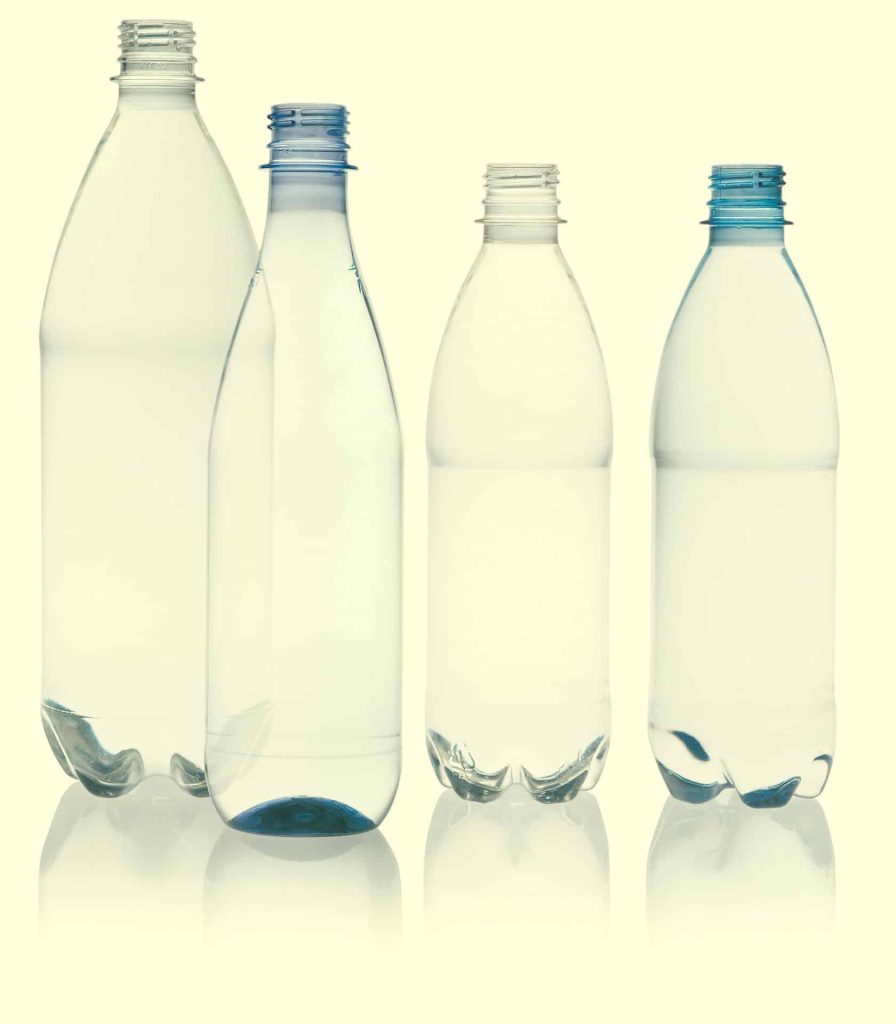
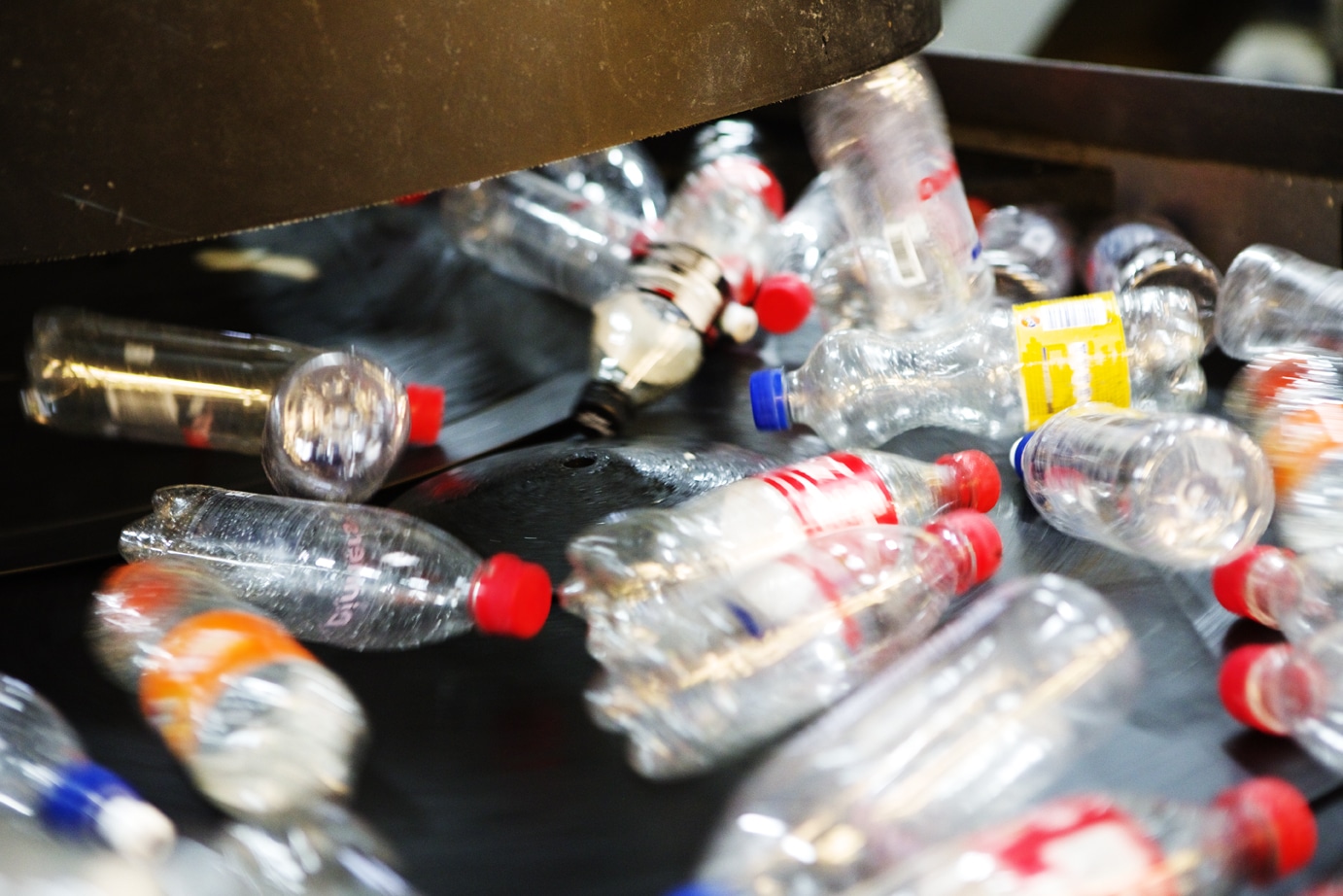
The time had come to find a better system for recycling bottles – something along the same lines as the system for aluminium cans, allowing the bottles to be broken down and turned into new ones. The breweries took the initiative and secured approval from the authorities.
The problem was that PET bottles cost money to manufacture. It was cheaper to use new plastic than to recycle old material; whereas aluminium, by contrast, had an inherent material value. But the alternative would have been worse. The cost might have had to be covered through a fee instead, or the bottles might even have been banned, so the breweries decided it was still worth investing in disposable PET bottles.
One advantage was that the bottles could be shaped in different ways. This opened up new opportunities for soft drink companies, as bottle design could now become part of their marketing strategy – something that hadn’t been possible with refillable bottles, which all looked the same.
It was only natural that Returpack would take responsibility for the return system for disposable bottles. Retailers and breweries were key drivers in this development, and PLM showed an interest in producing the new bottles.
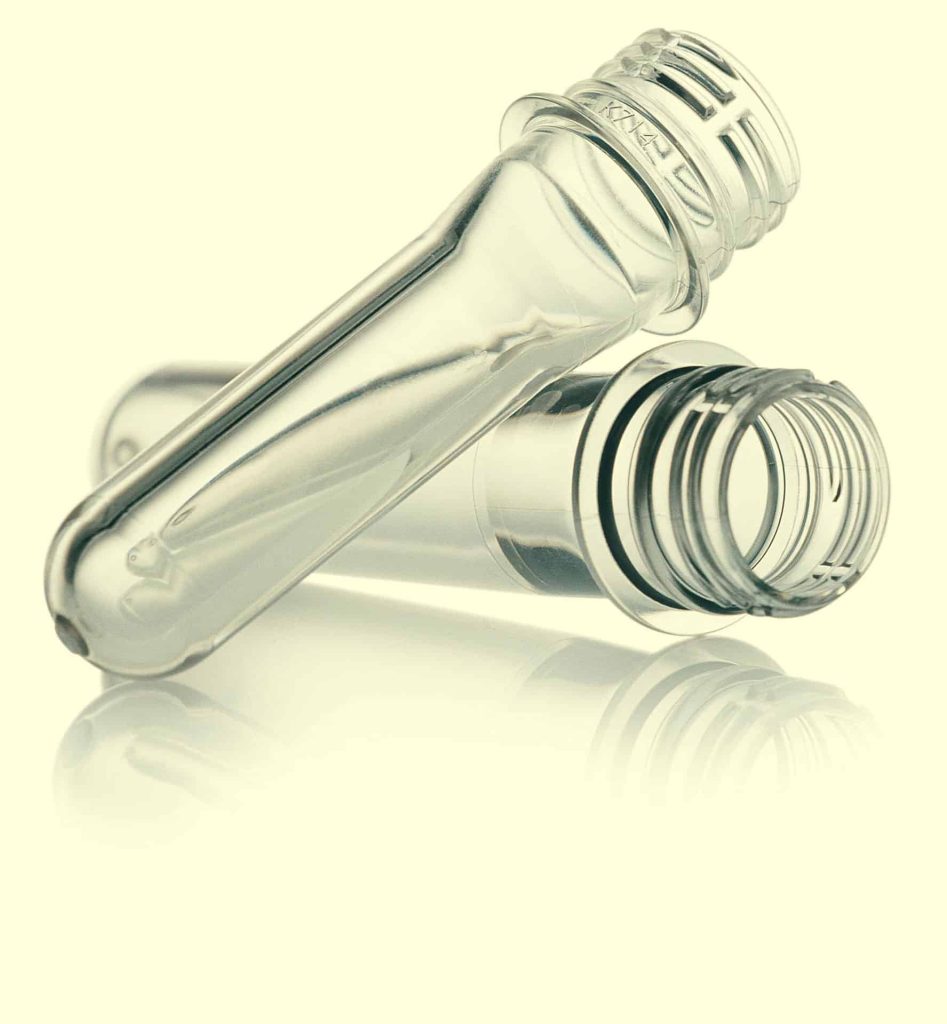
Preforms are small plastic tubes made from recycled PET flakes. These are blown into shape by the breweries to form new bottles, which are then filled with drinks.
By 1994, Sweden had introduced a deposit system that also covered recyclable PET bottles. A separate company was set up to handle bottles alongside cans: Returpack-PET. At the same time, Returpack introduced barcode scanning for all packaging.
This was also when the 0.5-litre bottle was introduced. It took some time for this size to catch on, as consumers weren’t used to it.
New deposit machines were needed to handle these bottles. Tomra remained the market leader, but several new suppliers also entered the market. Shops were forced to invest in new deposit machines, but by this point, they all realised that deposits could be profitable and that volumes would increase.
Processing the bottles – grinding them into flakes and then melting the plastic to produce new ones – required entirely new technology. It was also essential to achieve a very high level of plastic purity, as the material was transparent and couldn’t be contaminated with visible black dots. Over time, though, attitudes shifted, and there was no longer any stigma attached to using recycled plastic.
Bottles typically contained around 10 per cent recycled material at first, with the rest being new plastic – although the proportion gradually increased over time, and a roughly fifty-fifty mix is common today. Some bottles now contain a significantly higher proportion. Development is constantly moving forwards.
In the early years, there were no facilities in Sweden capable of processing PET flakes, so the material had to be exported. This meant that recycling PET wasn’t profitable at that time.
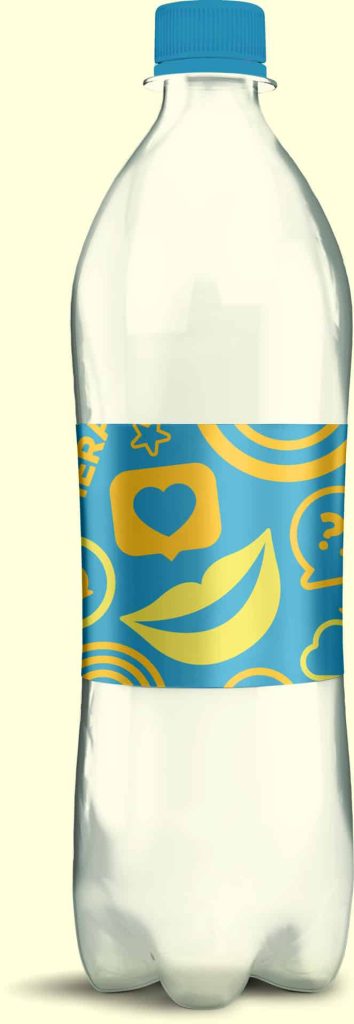
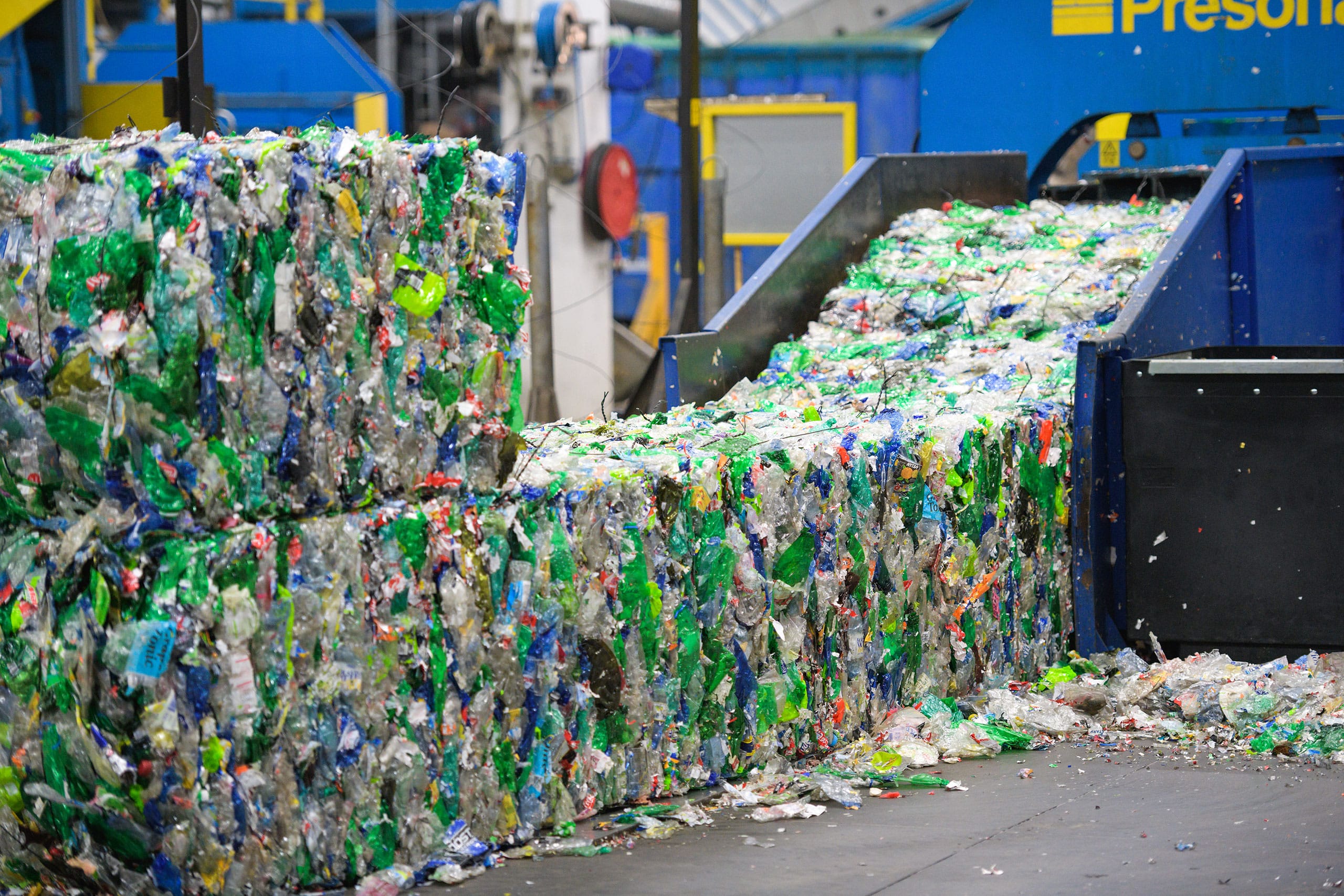

The barcode on each item allows the deposit machine to identify different types of bottles and cans, and the number of products in the system is constantly increasing. More flavours have entered the market. Manufacturers of beer, soft drinks, water and energy drinks frequently launch new products.
Canned beer, once seen as a budget option, later became a premium product, and many manufacturers made the switch from glass bottles to aluminium cans. New breweries also entered the market, and consumer interest in craft beer grew. Mobile microbreweries made it easier for smaller producers to can their own drinks. The range of non-alcoholic beverages at Systembolaget has also expanded. Additionally, juice and fruit syrup packaging were included in the system. All of this has contributed to a growing number of packaging types within the deposit system.

In the early days, some shops calculated deposits manually, but most eventually invested in a deposit machine.
Larger convenience stores quickly realised that accepting deposits could be profitable thanks to the processing fee. Some shops built dedicated deposit areas or sheds outside as the deposit machines took up a lot of space.
As consumers became used to returning their cans, they tended to shop at places where this was possible. This gave those shops a competitive edge. Combined deposit machines were then developed, which allowed the same machine to be used to return both bottles and cans. This made it easier for smaller shops to install modern machines too.
For Returpack, it’s always been important to have as many machines as possible all over Sweden. However, the cost for these falls to retailers. From Returpack’s perspective, it would be beneficial to own the machines directly and so avoid the costly processing fees paid to shops. This has never been implemented successfully, and ownership of the deposit machines still rests with retailers.
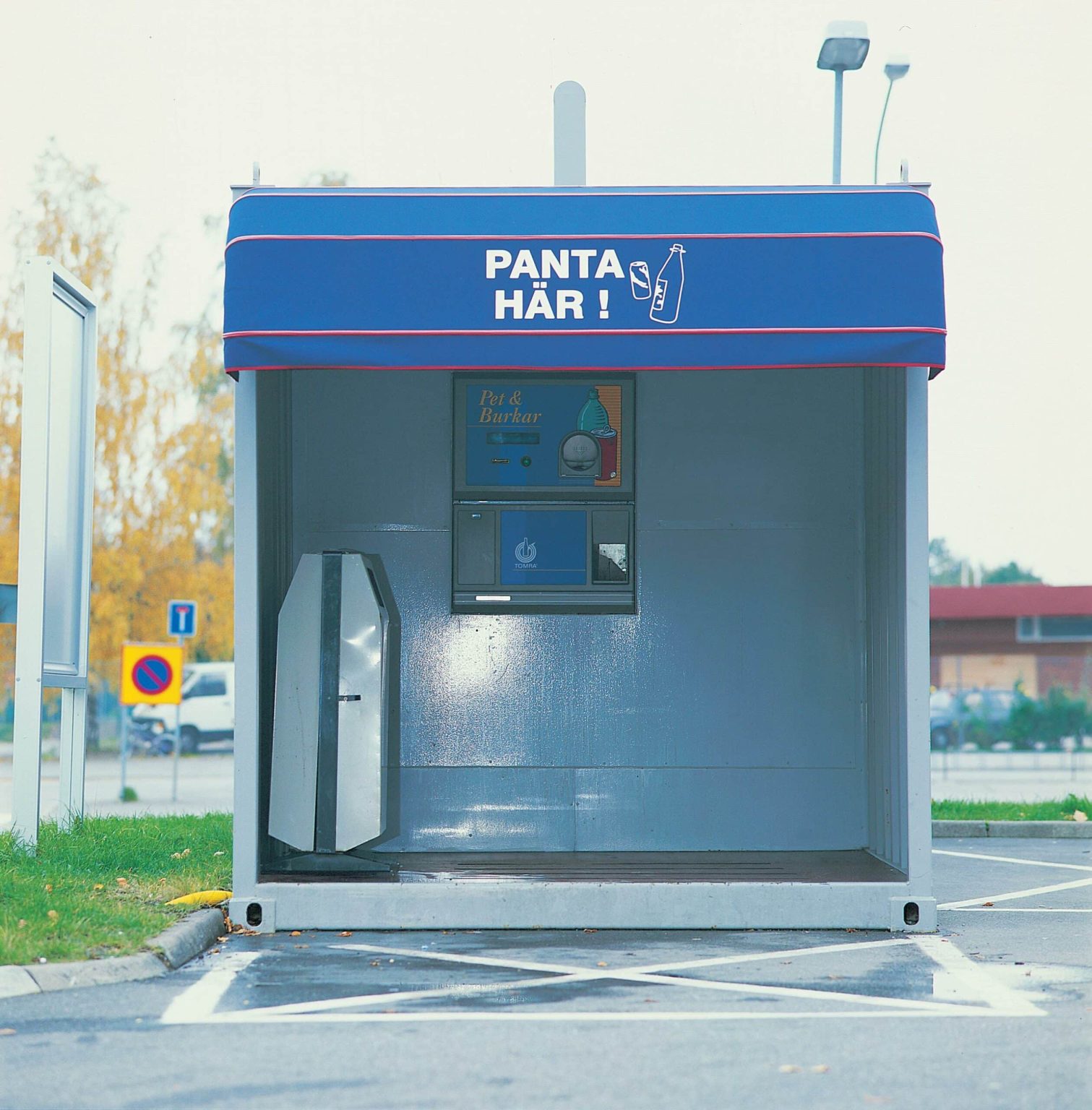
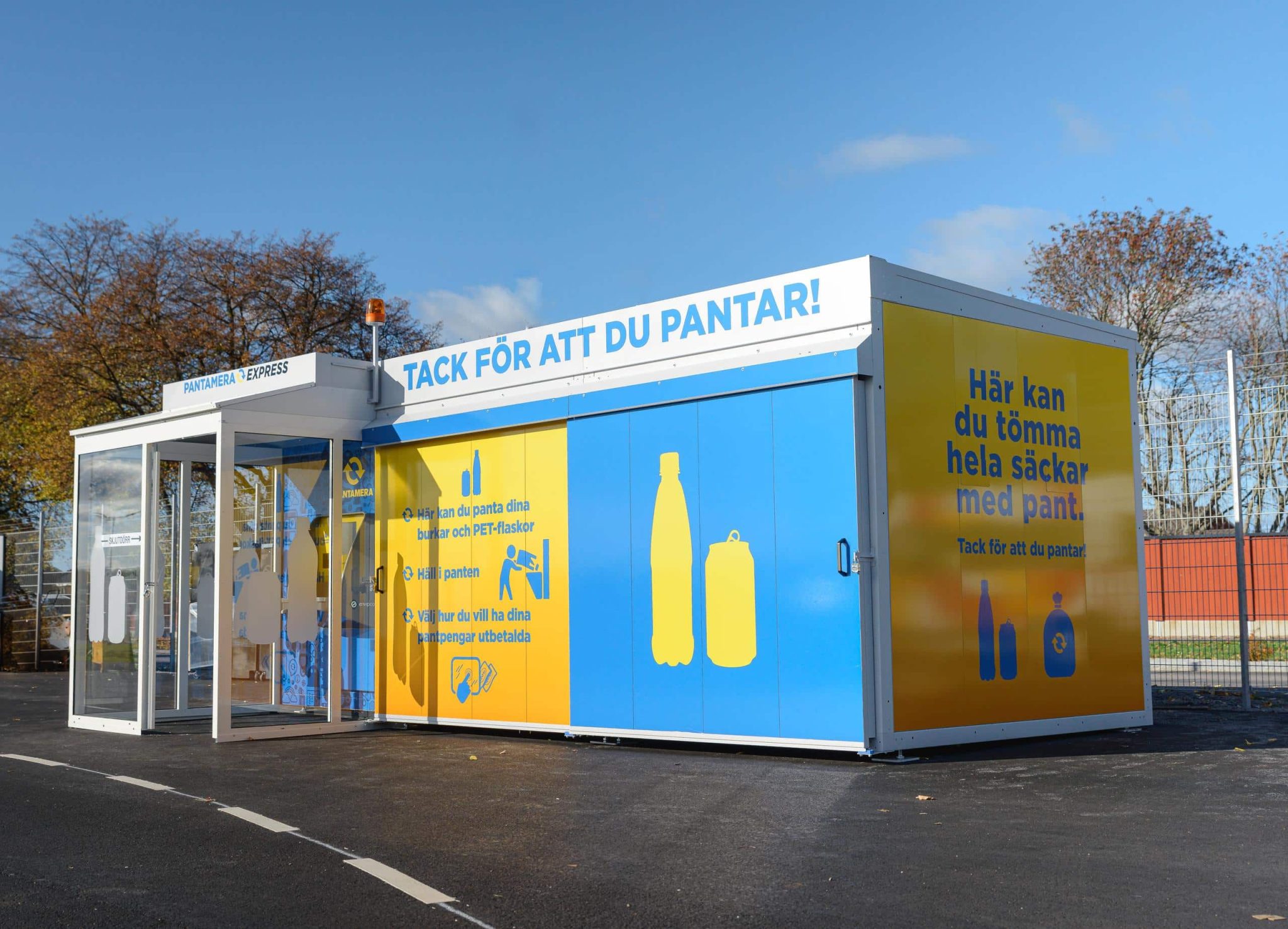
The first Pantamera Express machine was installed in 2015. For several years, there had been talk of a new type of deposit machine – one designed to handle large volumes in one go. Instead of inserting items one by one, users could simply empty an entire bag of empty cans and PET bottles into the machine. The aim was also to avoid the need for receipts so that deposits could be handled without customers having to go via the checkout.
Returpack began working with local authorities to explore returning deposit packaging at recycling centres all over Sweden. This was trialled in Norrköping. There was no suitable large-scale machine available at that stage, so Returpack took on the task of developing one.
This approach is typical for Returpack – starting from scratch, building prototypes and refining them over time. In most cases, there are no other companies to learn from.
The first machine installed at a recycling centre wasn’t ideal from a purely technical standpoint, but people appreciated the convenience of being able to return large quantities at once. Returpack needed a partner with experience of building deposit machines. After unsuccessful attempts to garner interest from Tomra, a partnership was formed with the American company Envipco. This laid the foundation for Pantamera Express, and the machines were available commercially just a few years later.
Today, Pantamera Express machines can be found at recycling centres all over the country, but many retailers have also invested in their own large-capacity deposit machines. It’s now possible to purchase ready-made deposit machines from Envipco – and, more recently, from Tomra and RVM Systems as well.
After more than a decade of the deposit system, attention in Sweden turned to recycling beyond cans and PET bottles. The government introduced what’s known as producer responsibility,
which is based on the principle that anyone giving rise to environmental impact should also bear the resulting costs. Companies placing products on the market are also responsible for ensuring that empty packaging is collected and processed properly. This creates an incentive to reduce products’ environmental impact from the outset.
Producer responsibility was introduced for packaging and waste paper in 1995. In recent years, the law has also been extended to include tyres, electrical waste, cars and batteries. Anyone who manufactures, imports or sells these products is responsible for ensuring they’re recycled, which includes covering associated costs. Producers joined forces and set up a company (Förpacknings- och tidningsinsamlingen, or FTI) to manage the collection and recycling of their products.
Recycling stations were installed in residential areas, allowing people to drop off different types of waste in a single location. However, aluminium cans and PET bottles weren’t included in this regulation. Returpack had already taken responsibility for these – and was effectively a whole decade ahead of other producers.
Returpack had been set a demanding target by the government: 9 out of 10 cans were to be returned through the deposit system.
After the deposit system had been in place for three years, it was time to increase the value of the deposit,
from 0.25 kronor to 0.50 kronor per can. This was because Returpack wanted to boost return rates, as the Swedish Parliament had raised the target to 90 per cent. Returpack still had some way to go to reach this target – the return rate stood at just 65 per cent in the year before the increase. The return rate rose to 75 per cent in the year in which the deposit value was doubled.
Returpack had been set a demanding target by the government: 9 out of 10 cans were to be returned through the deposit system. Six years later, Returpack managed to exceed the 90 per cent target for the first time.
One of the measures used to improve recycling rates was to increase the deposit value on cans. 2010 provided a good opportunity for this, as this was the year in which the 50-öre coin was withdrawn from circulation. The deposit was therefore increased from 0.50 kronor to one krona. Returpack’s owners had been cautious about increasing the deposit value, and the level had remained unchanged for 23 years. Increasing the value of the deposit was no easy task, as it also made drinks more expensive to buy. At this point, however, Returpack’s owners agreed that the time was right.
As it happened, the decision was effective, as the return rate for cans rose from 87 to 91 per cent in the first year. Recycling rates for PET bottles also improved, even though the deposit value remained the same.
It would be another fifteen years before the next increase in the deposit value. In 2025, the deposit on cans and small PET bottles increased from one to two kronor, and from two to three kronor for large bottles.
This section provides an overview and lists some key milestones. You can also read about deposit systems in other countries, as well as some of the amusing mishaps along the way.
The arrival of aluminium cans in Sweden coincided with the emergence of our environmental movement. The government tasked Returpack with creating a deposit system to allow cans to be recycled. Read or watch the video to find out more.
Today, the deposit system is part of our everyday lives. Information is provided here on how all the various elements fit together – deposit machines, logistics, recycling and marketing.
There was a lot to think about when the deposit system was first introduced. All aspects of Returpack had to work properly, while deposit machines had to be developed and people’s awareness of the deposit system had to be raised.
How have the various elements of the deposit system developed over the years? This section covers topics such as aluminium, plastic and deposit machines.
Find out more about the move to Norrköping, the development of the factory and the need for new logistics, as well as other exciting developments